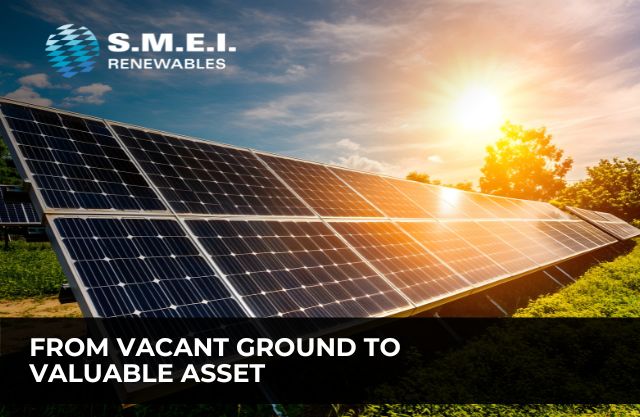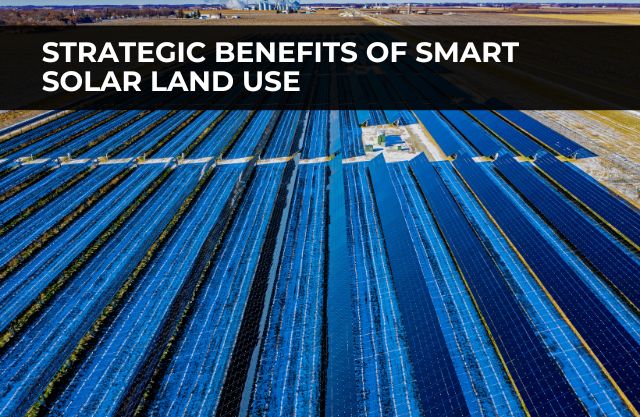

Ground-mount solar is no longer just for utilities. In 2026, mines, industrial facilities, farms and large commercial sites across Southern Africa are increasingly choosing ground-mounted systems for scale, efficiency and long-term cost control.
But starting a solar project of this size without asking the right questions upfront can lead to delays, budget creep and underperforming assets. This guide is designed to help first-time commercial clients make informed decisions before breaking ground.
Is ground-mount solar the right solution for your site?
Not every site needs rooftop or carport solar. Ground-mount systems are typically best suited to operations that:
- Have available land near the point of consumption
- Require larger generation capacity
- Want future expansion flexibility
- Need easier access for maintenance
The first question isn’t “How many panels can we install?” but “What problem are we solving?” Energy cost reduction, grid resilience, ESG targets and operational continuity all drive different design decisions.
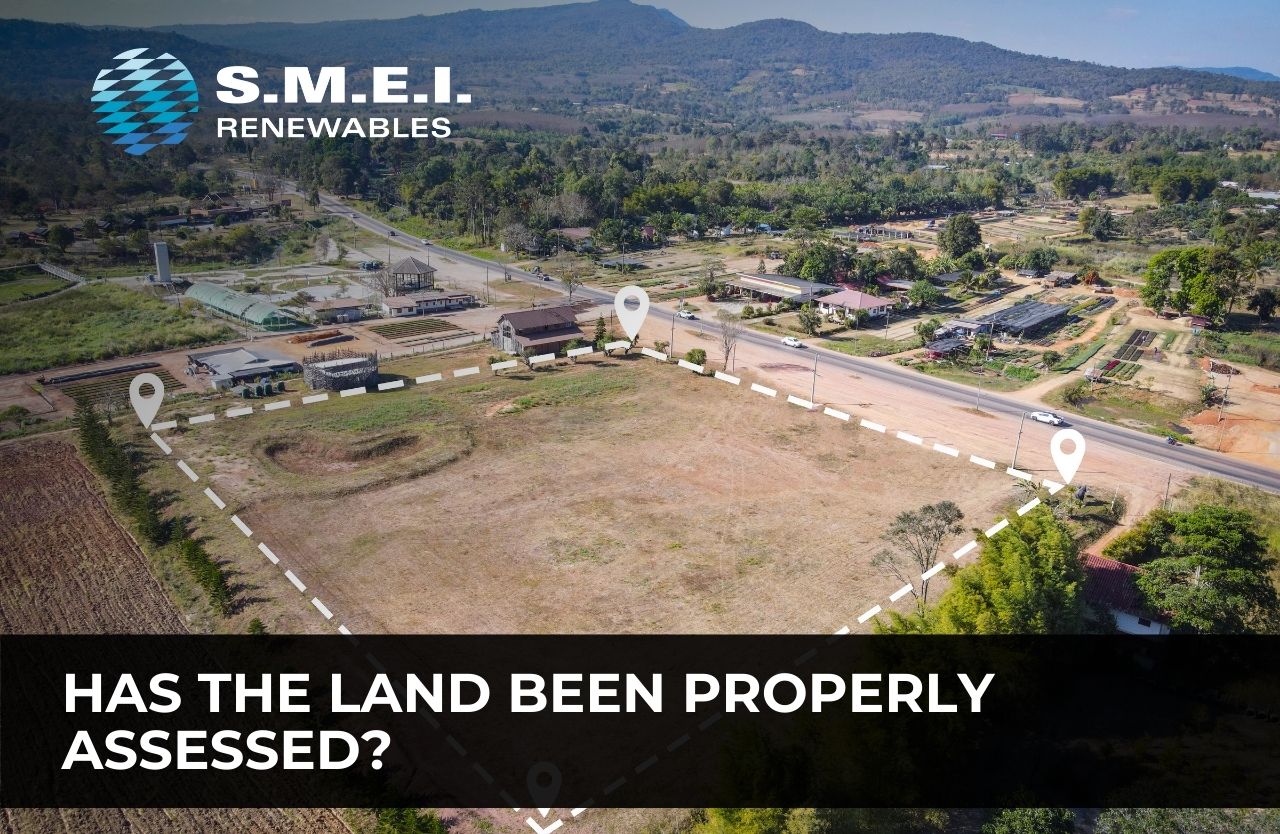
Has the land been properly assessed?
Land suitability is one of the most overlooked steps when starting a solar project. A proper assessment should include:
- Geotechnical testing (soil stability, bearing capacity)
- Flood risk and drainage patterns
- Environmental and permitting constraints
- Proximity to grid connection points
Skipping this stage can result in costly redesigns or civil works later.
What level of engineering is required?
Ground-mount solar is an engineering project first, and a solar installation second. Key questions to ask include:
- Will fixed-tilt or tracker systems deliver better long-term yield?
- How will wind loading and corrosion be managed?
- Are structures designed for local conditions and standards?
A robust ground-mount installation guide should always start with site-specific engineering, not off-the-shelf assumptions.
How will the system connect to your electrical infrastructure?
Grid and electrical integration can make or break a project timeline. Important utility solar questions include:
- Is grid approval required, and who manages it?
- Will the system be grid-tied, hybrid or off-grid?
- How will protection, metering and compliance be handled?
Early engagement with electrical engineers and utilities reduces approval delays and commissioning risks.
What is the true project cost — beyond panels?
One of the most common mistakes in a solar procurement checklist is focusing only on panel and inverter pricing. A realistic budget must account for:
- Civil works and foundations
- Structural steel and mounting systems
- Electrical reticulation and substations
- Project management and compliance
Ground-mount solar is capital intensive upfront, but highly predictable over its lifespan when scoped correctly.
Who owns performance risk after commissioning?
A solar plant is a 20–30 year asset. Before committing, ask:
- Who is responsible for design accountability?
- What performance guarantees are in place?
- Is long-term monitoring and maintenance included?
A partner who disappears after construction leaves clients carrying operational risk they may not be equipped to manage.
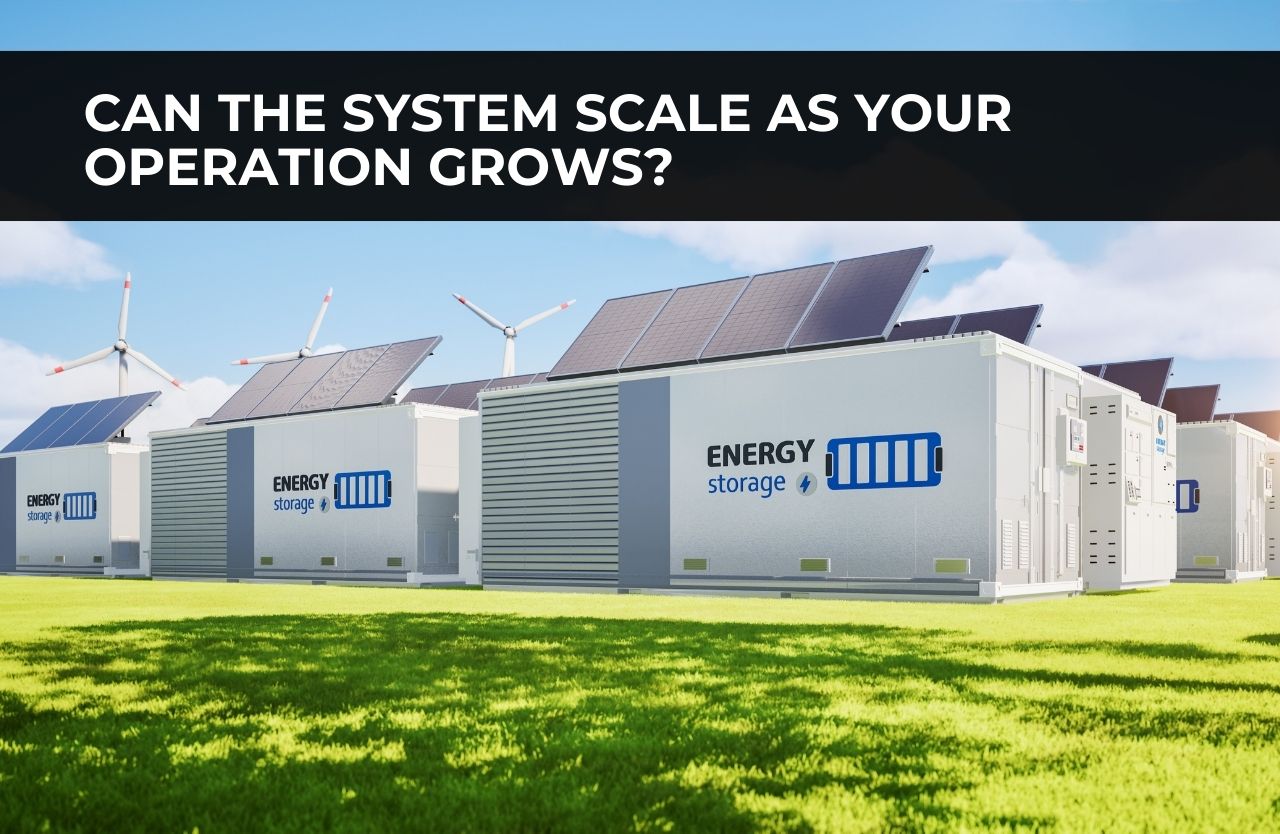
Can the system scale as your operation grows?
In 2026, flexibility matters. Whether you’re expanding production, adding battery storage or planning phased rollouts, your system should be designed with growth in mind.
Future-proofing at design stage is significantly cheaper than retrofitting later.
Choosing the right partner
Starting a solar project isn’t just about finding a contractor, it’s about choosing a partner who understands engineering, construction, compliance and long-term asset performance.
S.M.E.I. Renewables approaches ground-mount solar projects with a consultative mindset, supporting clients from feasibility and design through to construction, grid integration and lifecycle planning. This ensures projects are not only built correctly, but built to last.
Final thought
The most successful ground-mount solar projects start with good questions, not rushed decisions. If you’re planning to start a solar project in 2026, clarity upfront will save time, money and complexity down the line.
Sources
YUENS
Jakson Solar
Big Shine Energy
Mekeran Energy & Infra Private Limited on LinkedIn
Solar Kit
Hina Solar