
In the ever-evolving agricultural sector, the need for reliable, eco-friendly, and energy-efficient solutions is more urgent than ever. Agricultural solar power systems offer a powerful alternative for farmers in Southern Africa, providing a sustainable way to reduce energy costs while enhancing productivity. With the region’s abundant sunlight, these systems are uniquely positioned to meet the challenges of rising electricity prices and unreliable power supply, making them an essential component of modern farming operations.
Agrivoltaics: Pairing Solar Power and Agriculture
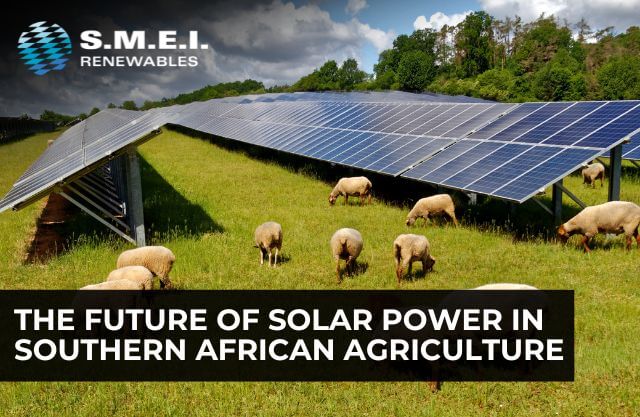
Agrivoltaics is an innovative approach that combines solar power generation with agricultural production on the same land. This method involves installing solar panels above crops or grazing areas, allowing farmers to harness solar energy while simultaneously growing crops or raising livestock underneath. In Southern Africa, where land use efficiency is crucial, agrivoltaics offers a dual benefit: it maximises land productivity and provides farmers with an additional income stream from solar energy generation. By pairing solar power with agriculture, this approach not only boosts energy production but also contributes to crop protection and enhanced water retention, making it a sustainable and profitable solution for the region’s farmers.

The Role of Solar Power in Agriculture
Solar power systems have become a cornerstone of modern agricultural practices, offering versatile applications that meet the diverse needs of the sector. In Southern Africa, these systems are being utilised in various ways:
- Poultry and Dairy Power Security: Solar energy provides consistent and reliable power for poultry and dairy farms, ensuring that operations like ventilation, lighting, and temperature control are maintained without interruption.
- Crop Shading Applications: Solar panels can double as shading structures, protecting crops from excessive heat while generating electricity—a perfect example of maximising land use.
- Greenhouses: Solar-powered greenhouses offer a controlled environment for growing crops, with energy-efficient systems managing lighting, heating, and irrigation.
- Processing Plants and Pump Stations: Solar energy powers essential machinery in processing plants and pump stations, reducing reliance on grid electricity and lowering operational costs.
By harnessing the sun’s energy, farmers can ensure their operations are not only sustainable but also resilient against the challenges of power outages and rising electricity costs.
Economic and Environmental Benefits
The economic advantages of solar power in agriculture are clear. With rising energy costs and frequent power disruptions, solar energy provides a cost-effective solution that offers long-term savings. The initial investment in solar infrastructure is offset by the significant reduction in monthly energy bills and the potential for government incentives or rebates, which are available in South Africa for renewable energy projects.
Moreover, solar energy contributes to environmental sustainability. By reducing dependence on fossil fuels, farms can lower their carbon footprint, aligning with global and regional efforts to combat climate change. Sustainable farming practices, powered by renewable energy, not only protect the environment but also enhance the reputation of agricultural businesses, attracting environmentally conscious consumers and partners.
Challenges and Considerations
While the benefits are numerous, adopting solar power in agriculture does come with challenges. Upfront costs can be a barrier, especially for small-scale farmers. Additionally, the maintenance and technical expertise required to manage solar systems may pose difficulties.
However, these challenges are not insurmountable. Financing options, such as leasing arrangements, through the AFD Green Energy Fund, and for certain qualifying SMEs the option to finance through a corporation’s ESD (enterprise and supplier development) initiatives can alleviate the burden of initial costs.
The Future of Solar Power in Southern African Agriculture
The future of agriculture in Southern Africa is bright—literally and figuratively. As more farmers adopt solar power, the agricultural landscape will continue to evolve, with increased energy security, improved productivity, and enhanced sustainability.
Emerging technologies, such as smart solar systems that integrate with IoT devices, will further optimise energy use on farms, making operations more efficient and cost-effective. Solar power is not just a trend; it is a vital component of the future of farming in Southern Africa.
Conclusion
Solar power systems offer a revolutionary solution to many of the challenges faced by the agricultural sector in Southern Africa. From reducing energy costs to enhancing productivity and promoting environmental sustainability, the benefits of solar energy are clear.
For farmers and agricultural businesses looking to thrive in an increasingly competitive and resource-constrained environment, solar power is not just an option—it’s a necessity. By partnering with experts like S.M.E.I. Renewables, farmers can implement tailored solar solutions that meet their specific needs, ensuring a sustainable and prosperous future.
Contact us today to learn more about our tailored solar solutions for the agricultural sector and take the first step towards a sustainable, energy-efficient future.