
Why Floating Solar Is Gaining Momentum
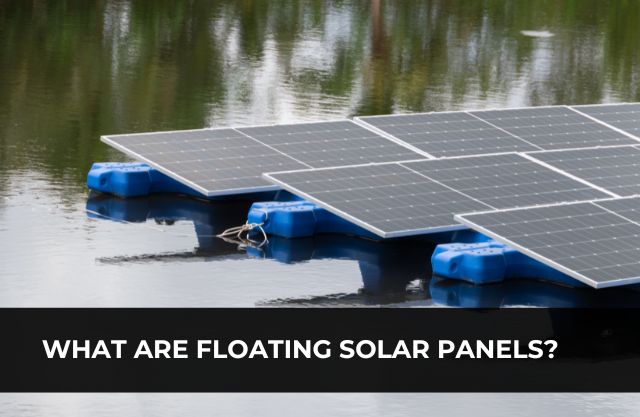
Floating solar (FPV) has seen explosive global growth over the past five years, not only because it frees up land, but because water-based systems simply perform better. Cooler module temperatures improve PV efficiency by 5–15%, depending on climate and system type, and reservoirs benefit from reduced evaporation and algae growth.
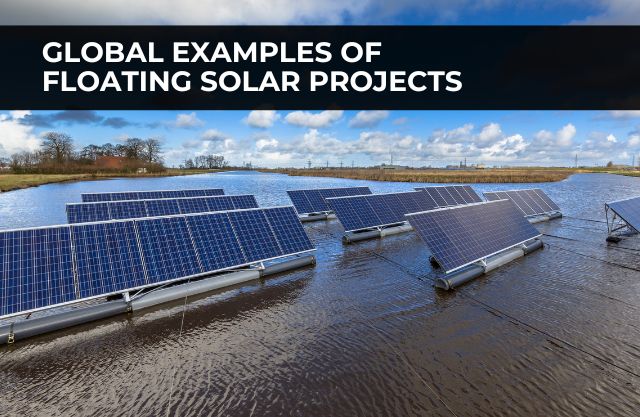
Recent international projects show how quickly the technology has matured:
A new benchmark: Sinopec’s 7.5 MW offshore floating solar plant (China, 2025)
One of the most advanced commercial FPV systems to date, Sinopec’s facility demonstrates what modern floating solar is capable of:
- 5 MW capacity, expanding to 23 MW
- Operates in full seawater – a major technical milestone
- Covers 60,000 m² and produces around 16.7 million kWh annually
- Reduces carbon emissions by 14,000 tonnes/year
- Built with salt-resistant materials designed to combat corrosion and marine fouling
- Adaptive mooring engineered to withstand level-13 wind speeds and 3.5 m tidal swings
- Floating behaviour allows natural cooling, improving efficiency by 5–8%
- Integrated low-profile inspection paths reduce maintenance complexity
This is not a pilot project, it’s a proof point that floating solar can now operate reliably in some of the harshest environments on earth.
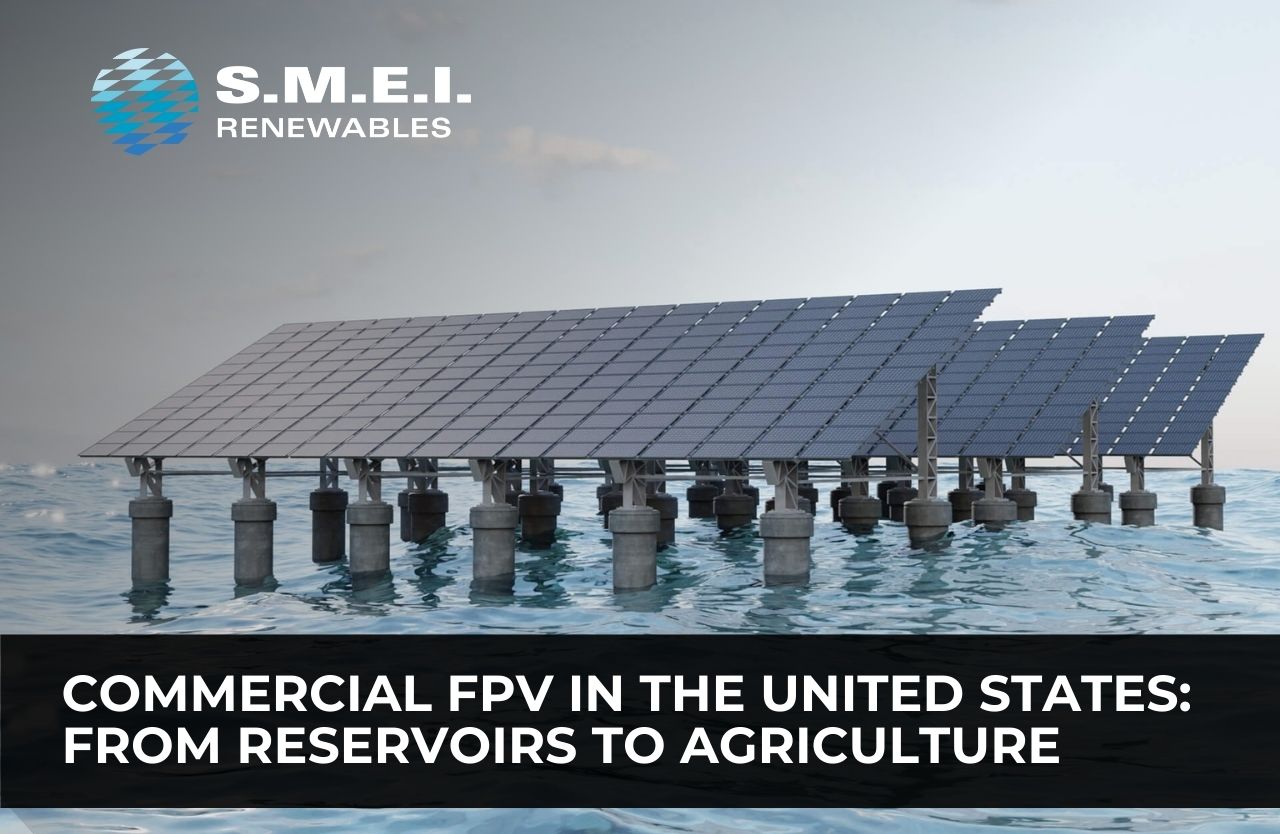
Commercial FPV in the United States: From reservoirs to agriculture
Over the last five years, the U.S. has delivered multiple large-scale FPV systems with measurable benefits:
- 9 MW installation at a New Jersey water treatment plant
- 7 MW plant installed on agricultural cranberry bogs in Massachusetts
- Multiple 0.15 MW – 4.78 MW systems across California and Florida
Key performance outcomes include:
- Up to 11% higher energy yield due to lower operating temperatures
- Water savings from reduced evaporation on reservoirs and ponds
- Install times of a few weeks for a 10 MW system
- Strong economics in water-stressed regions
Environmental studies across Asia, Europe, and Africa also show minimal ecosystem disruption when FPV is deployed on engineered or man-made reservoirs rather than natural wetlands.
Beyond Floating: The Rise of Non-Conventional Solar Installs
Floating solar isn’t the only frontier. Around the world, commercial customers are increasingly turning to engineered, site-specific alternatives where traditional ground-mounts are not viable.
These include:
Vertical floating photovoltaics
Bifacial panels mounted vertically on floating structures, ideal for narrow bodies of water, agricultural canals, or space-restricted sites.
Alternative mounting on engineered or constrained terrain
Such as:
- Steep gradients
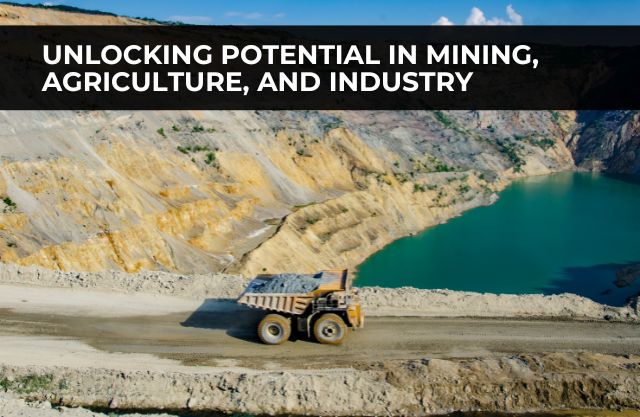
- Mining backfill and tailings
- Uneven or rocky land
- Stormwater retention ponds
- Processing plant rooftops with structural limitations
Hybrid engineered systems
Integrating PV, energy storage, and custom structures for:
- Water-pumping systems
- Agri-processing plants
- Remote industrial sites with difficult access
- High-wind areas requiring strengthened substructures
These systems unlock solar potential in locations previously considered unworkable — an increasingly valuable advantage for land-scarce or heavily regulated sectors.
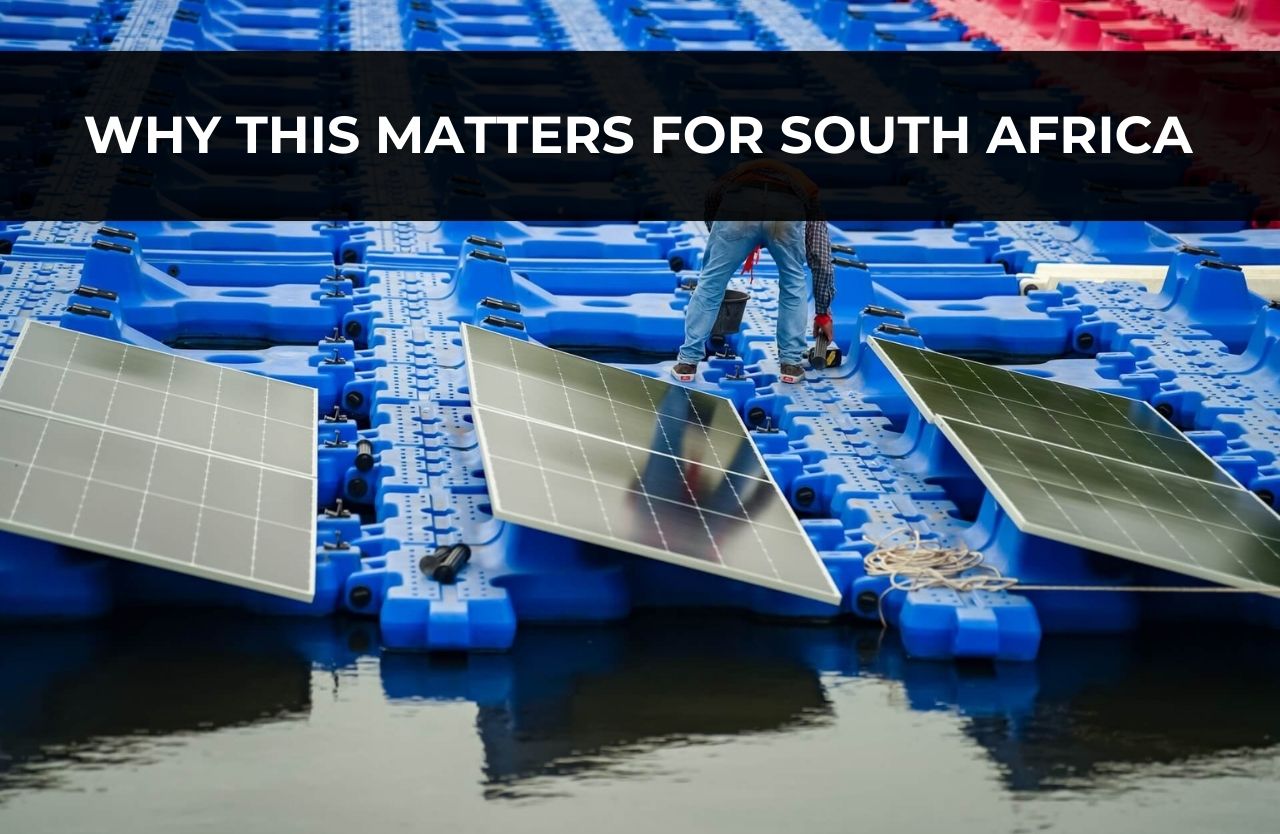
Why This Matters for South Africa
South Africa and the broader SADC region face a unique intersection of challenges and opportunities:
- Water authorities need renewable power without sacrificing critical land around dams and reservoirs.
- Agri-developers require scalable energy that doesn’t reduce productive farmland.
- ECs are under pressure to design systems that meet irregular site constraints, structural requirements, and long-term load planning.
- Mines and processing plants often have limited footprint due to safety zones and operational layouts.
Floating and non-conventional installations directly address these constraints, offering:
Higher energy yields
- Reduced evaporation in water-stressed regions
- Zero land-use conflict
- Quick deployment timelines
- Flexible integration with battery storage
With growing interest across Southern Africa, these engineered solutions are poised to become a mainstream part of renewable infrastructure planning.
How S.M.E.I. Approaches Floating and Non-Conventional Builds
Every engineered solar project is unique, and S.M.E.I. Renewables treats it as such. Our methodology is built on structural engineering heritage, backed by decades of delivering large-scale SMPP (Structural, Mechanical, Piping & Platework) and EC&I solutions across mining and commercial sectors.
Our approach includes:
- Full engineering feasibility
- Structural load assessments
- Wind and hydrodynamic modelling (for FPV)
- Terrain and geotechnical analysis
- Electrical integration design from DC to AC
- Custom mounting and structure design
- Floating platforms
- Vertical or bifacial configurations
- Reinforced or elevated mounts
- Corrosion-resistant materials matched to water type (fresh, brackish, salt)
- EPC delivery, installation & grid integration
- In-house construction teams
- Full AC tie-ins
- Energy storage integration
- High-voltage compliance and commissioning
- Maintenance pathways designed from Day One
- Access platforms
- Safe electrical layouts
- Monitoring and remote diagnostics
Our teams design solutions that work with the constraints of each site, not against them. Whether the project is floating, sloped, elevated, hybridised, or installed in a challenging industrial environment, we engineer for long-term operational reliability.
The Future of Renewable Infrastructure Is Non-Conventional
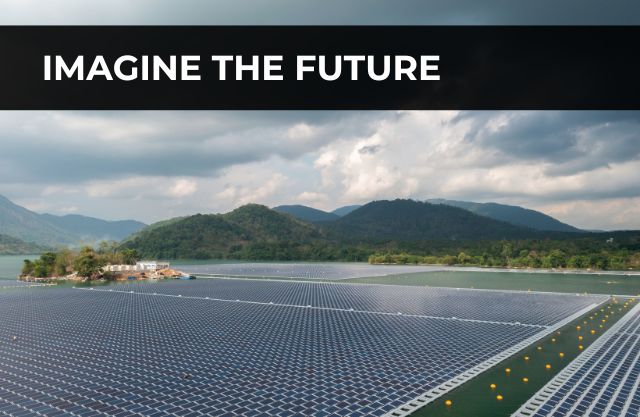
As demand for renewable power accelerates, South Africa’s next phase of growth will rely on engineered solutions that maximise the value of every square metre, land or water.
Floating solar, vertical bifacial systems, adaptive mounting structures, and terrain-specific designs are no longer niche. They’re becoming essential tools for a more resilient, efficient, and space-conscious renewable energy strategy.
S.M.E.I. Renewables is committed to helping water authorities, agri-developers, and EPC partners unlock these opportunities with the same engineering precision and reliability that define our commercial and industrial solar carport solutions.
Sources: