
Floating solar panels are a cutting-edge renewable energy solution that transforms water surfaces into power-generation hubs. This technology offers significant benefits for industries with water assets, such as agriculture, mining, and municipalities. By utilising reservoirs, ponds, and other water bodies, businesses can generate renewable energy, reduce water evaporation, and maximise land use efficiency.
What Are Floating Solar Panels?
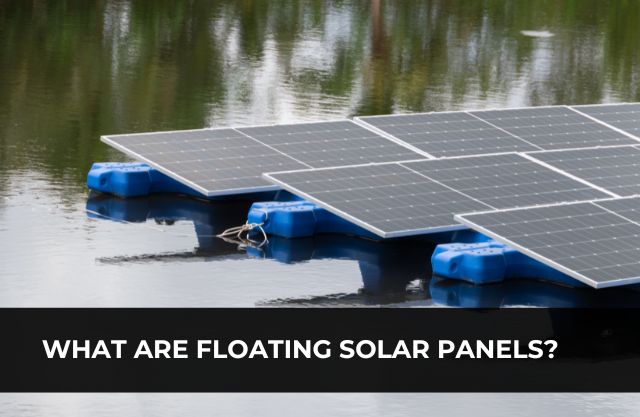
Floating solar panels, also known as floatovoltaics, are solar photovoltaic (PV) systems mounted on floating platforms. These platforms are installed on calm water bodies such as reservoirs, lakes, and ponds. The cooling effect of water enhances the efficiency of solar panels, making them more effective than land-based installations.
Potential in South Africa
With its abundant water reservoirs and urgent need for renewable energy, South Africa is uniquely positioned to harness the benefits of floating solar technology. Industries such as agriculture and mining, which often have access to large water assets like irrigation dams or tailing ponds, could significantly reduce operational costs and enhance sustainability by adopting these systems.
Research highlights the transformative potential of floating solar in Africa, noting that countries like Rwanda could generate up to 237% of their current energy needs, and Ethiopia could meet 129% of their requirements with solar panels on just 10% of their water surfaces. While South Africa’s energy demand is larger, the principle remains: utilising even a fraction of its water bodies for floating solar systems could provide substantial energy contributions without consuming land needed for agriculture or infrastructure.
For mining companies, integrating floating solar into rehabilitation plans could power operations while reducing environmental footprints, reinforcing their sustainability credentials and contributing to the renewable energy transition.
Global Examples of Floating Solar Projects
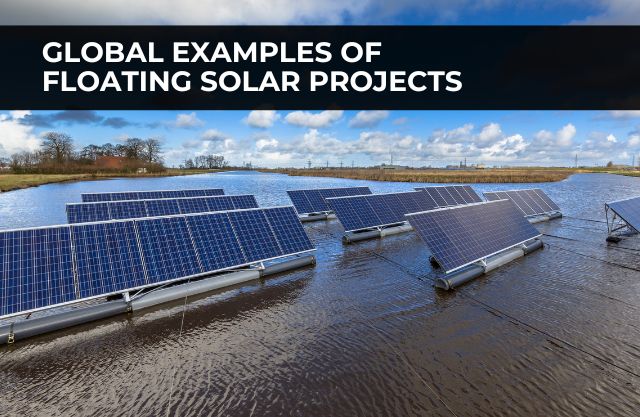
Around the world, innovative floating solar projects are demonstrating the scalability, efficiency, and environmental benefits of this cutting-edge approach. From vast installations like the Cirata Reservoir project in Indonesia to the resourceful utilisation of limited space in Japan, these examples showcase how floating solar systems are meeting energy demands while preserving land for other essential uses. In emerging economies like India, such projects are paving the way for sustainable energy solutions that cater to growing populations and industrial needs. Each project highlights the versatility of floating solar, inspiring new opportunities in regions with suitable water bodies, including South Africa.
- Cirata Reservoir, Indonesia: Setting Global Standards The Cirata Floating Solar Plant, inaugurated in November 2023 in West Java, Indonesia, is Southeast Asia’s largest floating solar project and the third-largest globally. Developed in collaboration between Indonesia’s state-owned utility PLN and UAE-based Masdar, this massive installation spans 250 hectares of the Cirata Reservoir. With a capacity of 192 MWp, it generates approximately 245 million kWh annually—enough to power 50,000 homes and offset 214,000 tonnes of carbon emissions per year. This project demonstrates how strategic international partnerships can accelerate renewable energy adoption and address land constraints, as only 20% of the reservoir surface is utilised for energy production. Its success has paved the way for further expansion, with plans to increase capacity by an additional 500 MW in the next phase.
- Japan’s Leadership in Floating Solar Innovation: Japan is a pioneer in floating solar energy, with over 70 installations leveraging the country’s abundant water bodies and limited land space. One of the most notable examples is the Yamakura Dam project, which features 50,904 solar panels on a reservoir and generates 13.7 MW. This project not only offsets carbon emissions but also serves as a model for integrating solar technology into densely populated regions. Japan’s leadership highlights the scalability and efficiency of floating solar in areas with geographical constraints.
- Ananthapuramu, India: Floating Solar as a Scalable Solution India’s Ananthapuramu floating solar project in Andhra Pradesh showcases a smaller yet impactful implementation of this technology. With a capacity of 25 MW, it serves as a scalable energy solution for emerging economies. The project underscores the viability of floating solar in regions with high energy demand and limited land availability, contributing to the nation’s ambitious renewable energy goals.

Benefits of Floating Solar for Commercial Spaces: Unlocking Potential in Mining, Agriculture, and Industry
Floating solar presents an innovative way for commercial sectors to harness renewable energy. By optimising water surfaces, this technology addresses land constraints, enhances operational efficiency, and contributes to sustainability goals. Here’s how the mining, agricultural, and industrial sectors can benefit from floating solar systems:
- Maximised Space Usage: Dual-Function Water Assets
In the mining sector, artificial water reservoirs or tailing dams can be repurposed for floating solar installations, offering a sustainable solution that avoids disrupting land-based operations or rehabilitation efforts. For instance, mining companies in areas like Rustenburg, South Africa, could harness floating solar on tailing ponds to generate power for critical processes such as ore processing or water pumping, reducing dependency on the national grid and enhancing operational resilience.
In agriculture, floating solar enables farms to generate renewable energy on irrigation reservoirs without compromising productive farmland. Solar power can be used to run essential systems such as irrigation pumps, cold storage units, and processing facilities. For example, a large maize farm in the Free State could install floating solar panels on its irrigation dam, providing a sustainable energy source for water pumps and grain drying equipment, thereby improving both energy efficiency and productivity.
The industrial sector can also leverage floating solar to optimise energy use. Factories or manufacturing plants with onsite water treatment facilities can install floating solar systems on these water bodies, using the energy generated to power production lines, administrative buildings, or other essential operations. This approach allows industrial players to integrate renewable energy solutions seamlessly into their infrastructure, reducing costs and supporting sustainability goals.
- Reduced Evaporation: Water Conservation in Arid Regions
By covering water surfaces, floating solar systems significantly reduce evaporation rates, a feature particularly valuable in water-scarce regions like the Karoo or Limpopo. For the agriculture sector, this reduction in water loss ensures that reservoirs retain more water for irrigation. For example, a citrus farm in Limpopo could conserve tens of thousands of litres of water annually, providing a buffer against dry seasons and ensuring stable production.
In the mining sector, floating solar can help prevent water loss from dams, ensuring a consistent supply for critical activities such as dust suppression and mineral processing. This not only conserves water but also supports more efficient operational management.
Similarly, industrial operations that rely on substantial water reserves, such as chemical plants, can benefit from reduced evaporation. By stabilising water levels during heatwaves or droughts, floating solar installations contribute to resource security and operational continuity. These advantages demonstrate the multi-faceted impact of floating solar technology in conserving water resources across key industries.
- Enhanced Efficiency: Improved Energy Output
The natural cooling effect of water on floating solar panels enhances their efficiency by reducing the risk of overheating, resulting in a higher energy yield compared to ground-mounted systems. This feature is particularly advantageous for industries requiring dependable and efficient energy production.
In the mining sector, where energy-intensive operations like smelting or ore refining are common, increased energy output from floating solar can significantly offset electricity costs. For example, a gold mine in Gauteng could leverage floating solar to ensure a more reliable and cost-effective energy supply, reducing dependence on the often expensive and intermittent grid electricity.
For agriculture, cooling efficiency is especially beneficial in high-temperature regions, where traditional solar systems may lose efficiency. Floating solar ensures a steady power supply for essential functions, such as refrigeration of perishable goods. A vineyard in the Cape Winelands, for instance, could use this technology to maintain cold storage facilities critical for wine production.
In industrial applications, continuous operations like assembly lines or processes requiring consistent power, such as high-heat production, can benefit from the stable and enhanced energy output of floating solar systems. By integrating this technology, manufacturers can optimise energy use, reduce downtime, and improve overall operational efficiency.
- Scalability: From Small-Scale to Large-Scale Applications
Floating solar systems are inherently flexible and can be tailored to meet the energy demands of businesses of all sizes, from small agricultural operations to large industrial enterprises. In the agriculture sector, small farms can implement modular floating solar solutions to power specific equipment, such as borehole pumps, while larger farms have the flexibility to scale up their systems to accommodate additional needs, like powering processing units. For example, a dairy farm in KwaZulu-Natal could start with a small floating solar installation to power milking equipment and expand the system as the farm’s energy requirements grow.
In the mining industry, large-scale floating solar arrays offer scalable solutions to support entire operations. These systems can provide energy for various aspects of mining operations, including administrative buildings, lighting, and heavy machinery. A platinum mine in Mpumalanga, for instance, could begin by installing solar-powered lighting and progressively expand the system to supply renewable energy to on-site processing plants, reducing reliance on the grid.
For industrial applications, floating solar systems are adaptable to the fluctuating energy needs of factories and manufacturing plants. They ensure that businesses can rely on consistent and efficient energy, regardless of their size. This adaptability is particularly valuable for industries that require a dependable power source for continuous operations, from production lines to energy-intensive processes.
Imagine the Future
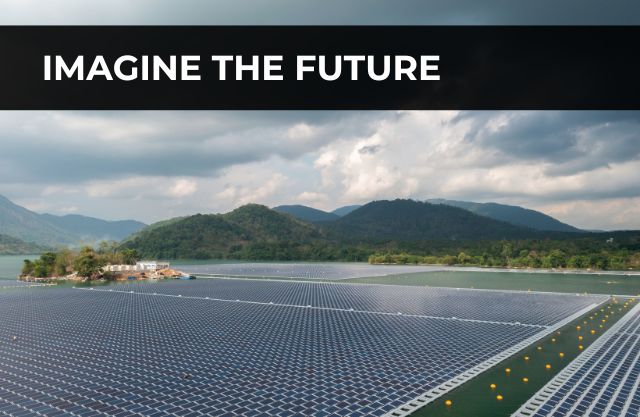
Floating solar represents a remarkable intersection of innovation and sustainability, particularly for sectors like mining, agriculture, and industry in South Africa. The benefits are not just theoretical—real-world examples from Indonesia, Japan, and India prove its scalability and effectiveness.
In the South African context, floating solar could be a game-changer for businesses looking to combine energy efficiency, environmental stewardship, and operational reliability. By maximising existing resources, conserving water, and boosting energy production, floating solar offers a sustainable path forward for some of the country’s most critical sectors.
For businesses ready to explore the potential of floating solar, now is the time to lead the charge toward a more sustainable and resilient future.