Smart Space Engineering: Transforming Empty Land into Renewable Energy Hubs

Smart Space solar project on previously unused land

Rethinking the Value of Space

Across Africa, vast stretches of land sit idle, this includes old industrial sites, parking areas, open fields, and unused plots waiting for purpose.

At the same time, energy demand is rising, grid instability is increasing, and sustainability commitments are tightening.

What if those empty spaces could become renewable energy hubs that power communities, businesses, and industries?

That’s the principle behind Smart Space Engineering – a design and construction philosophy championed by S.M.E.I. Renewables, where every square metre of land is seen as an opportunity for energy generation and long-term environmental impact.
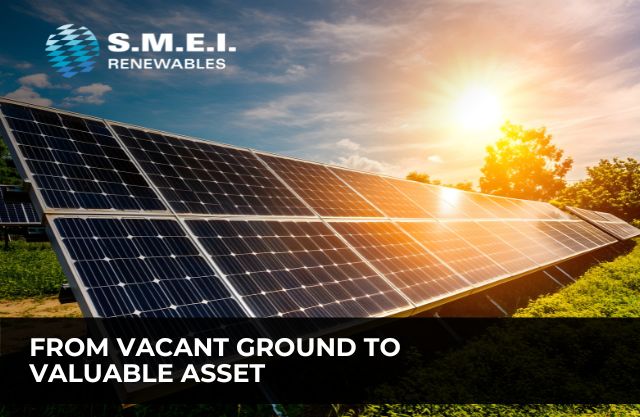
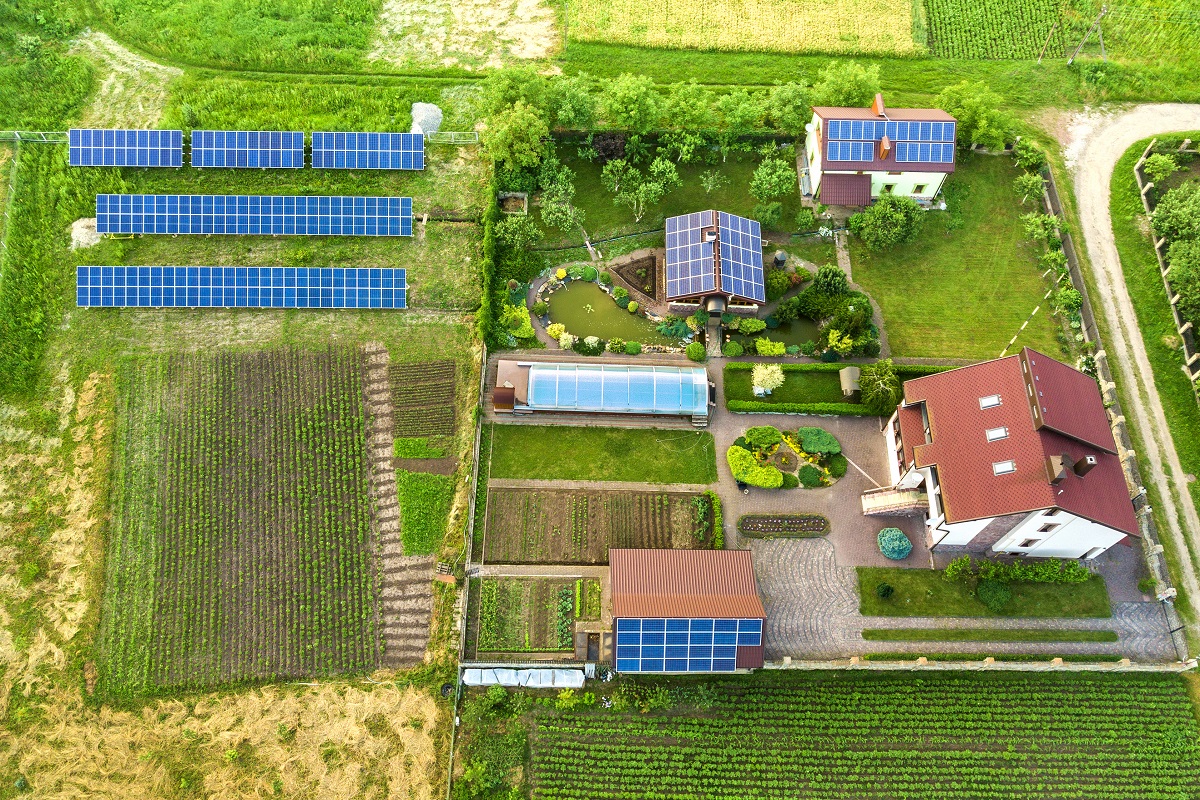
S.M.E.I. Renewables example of solar project land use

From Vacant Ground to Valuable Asset

For decades, vacant or underutilised land has represented dormant potential – an expense rather than an income-generating asset. Solar project land use changes that equation.

With the right engineering and feasibility approach, open ground can host utility-scale solar installations that deliver measurable ROI and ESG value.

  • Industrial and commercial properties can convert parking lots or unused sections into solar carports or ground-mounted arrays.
  • Developers can integrate solar fields into new mixed-use or industrial parks as embedded generation zones.
  • Municipalities and landowners can lease idle land for solar farms, unlocking stable long-term revenue streams.

Instead of lying around doing nothing, the land begins to produce power, profits, and progress.


The Smart Space Philosophy

At S.M.E.I. Renewables, we believe that smart energy design begins with intelligent land use. Our Smart Space Engineering philosophy transforms overlooked sites into efficient, resilient, and aesthetically integrated energy systems.

What makes a space “smart”?

  1. Engineering integration from day one:
    Smart Space projects begin with feasibility and geotechnical studies that consider soil, slope, shading, and infrastructure connectivity from the outset – ensuring solar layouts are optimised for yield and longevity.
  2. Dual-purpose functionality:
    Smart solar installations can do more than generate power – they can shade vehicles, protect assets, enhance aesthetics, or coexist with agriculture (agrivoltaics).
  3. Future-ready scalability:
    Designs anticipate future battery storage, EV charging, or microgrid integration.
  4. Minimal disruption, maximum return:
    Through modular, pre-engineered systems, Smart Space solar can be constructed quickly with minimal interference to surrounding operations.

In short, Smart Space Engineering is where civil, electrical, and environmental design intersect – creating renewable systems that work with, not against, the land they occupy.
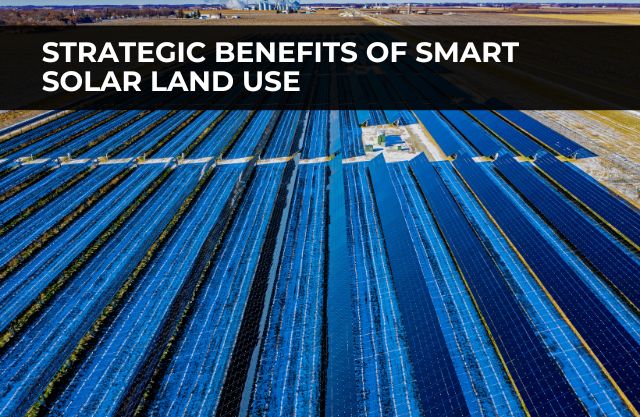
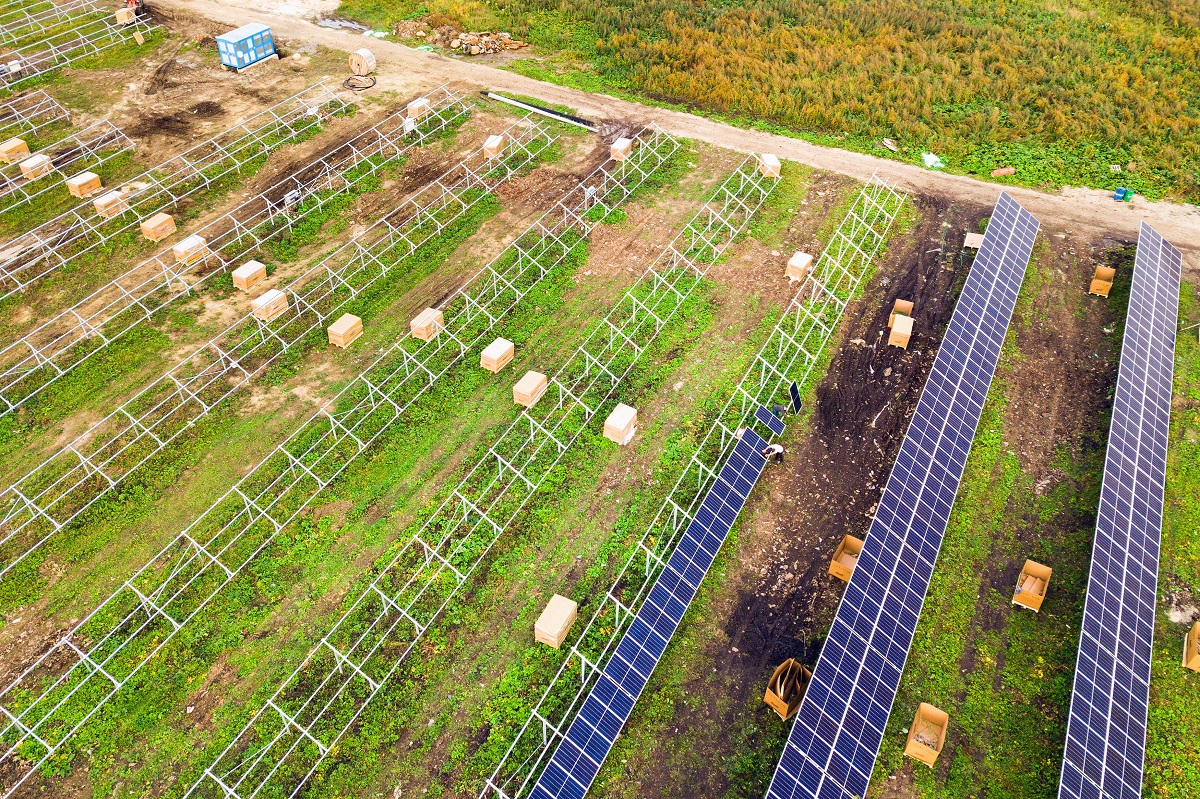
Utility-scale solar installation transforming vacant ground into energy hub

Strategic Benefits of Smart Solar Land Use

For property developers, asset managers, and ESG officers, Smart Space projects deliver measurable value across multiple dimensions.

  1. ESG Impact and Compliance:
  • Solar installations directly reduce Scope 2 emissions and improve sustainability reporting metrics.
  • Demonstrates visible commitment to green infrastructure, strengthening investor and community confidence.
  1. Financial Returns
  • Generates long-term power savings or rental income through Power Purchase Agreements (PPAs) or land-lease models.
  • Adds tangible asset value to the property portfolio through renewable infrastructure integration.
  1. Land Optimisation
  • Converts unused or degraded land into a productive site.
  • Avoids the need for additional property acquisition for renewable projects.
  1. Energy Resilience
  • Supports onsite generation, lowering dependency on unstable grids and mitigating load-shedding risk.

Smart Space solar projects aren’t just sustainable – they’re strategic, turning environmental responsibility into economic opportunity.


The Engineering Behind the Vision

Transforming open ground into an energy hub requires precise planning and multi-disciplinary coordination.

S.M.E.I. Renewables applies engineering-grade feasibility, design, and construction management to every Smart Space solar project.

Our process includes:

  1. Feasibility & Yield Analysis:
    Assessing solar irradiation, topography, soil composition, drainage, and accessibility to determine the best installation design and expected output.
  2. Civil & Structural Design:

Incorporating stormwater control, foundation engineering, and load analysis to ensure structural integrity and long-term durability.

  1. Electrical & Integration Design:
    Designing grid connections, cabling routes, inverter and switchgear placement, and safety systems in compliance with local standards.
  2. Construction & Fabrication:
    Leveraging S.M.E.I.’s in-house steel fabrication and construction teams to maintain full control over quality, cost, and delivery timelines.
  3. Monitoring & Maintenance:
    Implementing smart monitoring systems that provide real-time performance data, predictive maintenance alerts, and output optimisation.

This end-to-end capability, from feasibility to build, is what sets S.M.E.I. apart in the renewable energy construction space.


Real-World Smart Space Applications

  1. Commercial Carports and Parking Canopies
    Transforming parking lots into dual-purpose assets that provide shade, EV charging infrastructure, and onsite energy generation.
  2. Industrial and Logistics Parks
    Integrating solar into warehouses and surrounding land to stabilise energy costs for tenants.
  3. Agricultural and Rural Sites
    Designing solar fields that coexist with crops or livestock (agrivoltaics) to improve land productivity and power resilience.
  4. Brownfield or Rehabilitated Land
    Repurposing previously disturbed or mined land for renewable generation, supporting environmental restoration and reuse.

Each of these applications demonstrates how solar for vacant land can unlock new forms of economic and environmental value.


Work with S.M.E.I. Renewables

With decades of experience in large-scale construction and engineering across Africa, S.M.E.I. Renewables combines technical depth with visionary design.

Our Smart Space advantage:

  • We have a proven track record in structural, mechanical, electrical, and civil engineering for renewable infrastructure.
  • ISO-certified quality systems ensuring compliance with ISO 9001 (quality), ISO 45001 (safety), and ISO 14001 (environment).
  • In-house feasibility and fabrication capabilities which allows full control from concept to commissioning.
  • Pan-African presence across South Africa, Namibia, Botswana, and Zambia, ensuring regional expertise and responsiveness.

Whether you’re developing a new industrial park or revitalising idle property, we help you turn empty ground into engineered energy assets that support long-term sustainability goals.


Building the Future, One Smart Space at a Time

The renewable transition isn’t just about cleaner power, it’s about using the land we already have more intelligently.
Through Smart Space Engineering, S.M.E.I. Renewables helps businesses, developers, and municipalities convert idle ground into resilient, future-ready solar assets.

Let’s transform your property into part of Africa’s clean energy infrastructure.

Contact S.M.E.I. Renewables to start your Smart Space feasibility study today.
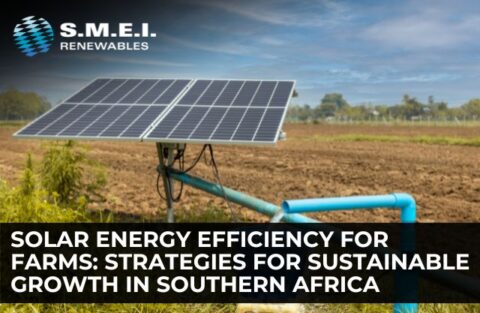
Maximising Solar Energy Efficiency for Farms: Strategies for Sustainable Growth in Southern Africa

In the rapidly advancing agricultural sector, solar energy has become an indispensable asset for farms across Southern Africa. However, to truly reap the benefits of solar power, it’s essential to focus on solar energy efficiency. Ensuring that your solar system operates at peak performance not only maximises energy production but also enhances sustainability and cost-effectiveness. This post explores strategies to optimise solar energy efficiency for farms, offering practical insights to help you make the most of your solar investment.

Understanding Solar Energy Efficiency

Solar energy efficiency refers to the effectiveness with which a solar power system converts sunlight into usable electricity. For farms, this means ensuring that every watt of energy generated by the sun is efficiently captured, stored, and utilised. Several factors influence solar energy efficiency, including the quality of the solar panels, their placement, environmental conditions, and how energy is distributed across the farm.

Conducting an energy audit is a crucial first step toward improving solar energy efficiency. By assessing the current performance of your solar system, you can identify areas for improvement and implement changes that will enhance efficiency. An energy audit involves evaluating your farm’s energy usage, the condition of your solar equipment, and the alignment of energy production with consumption needs.

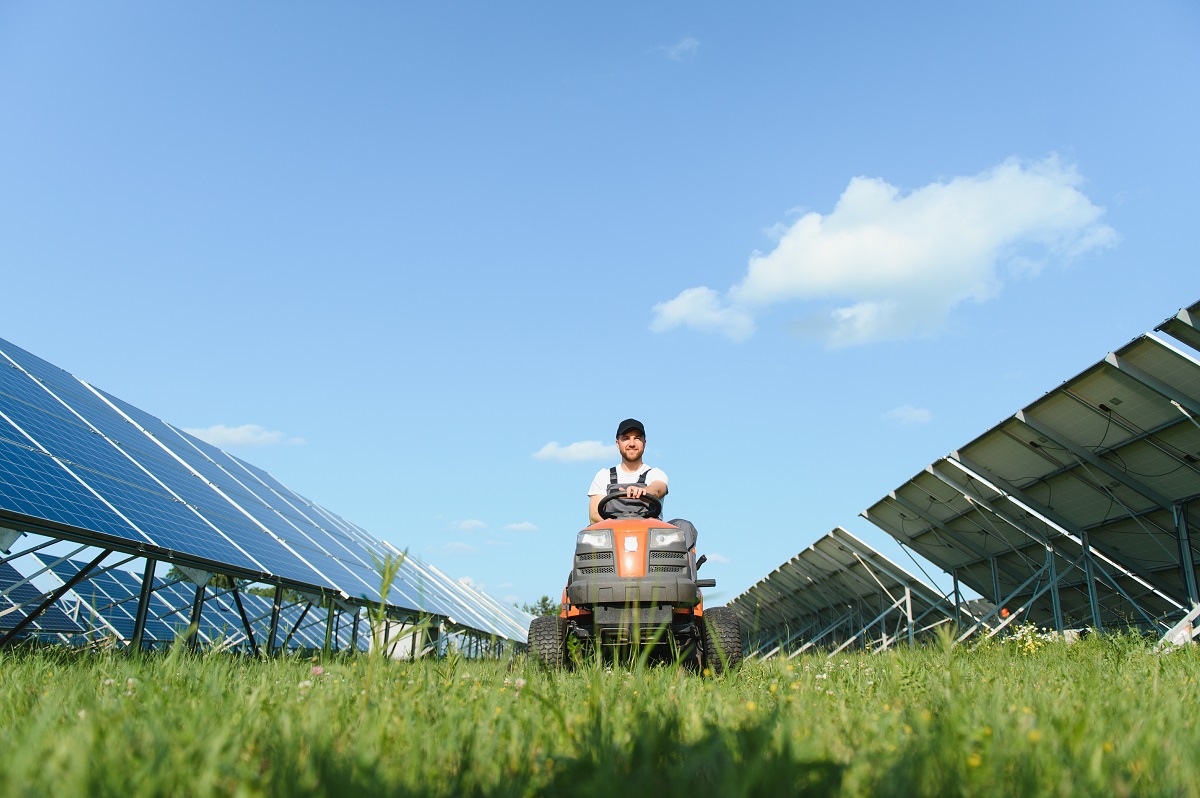
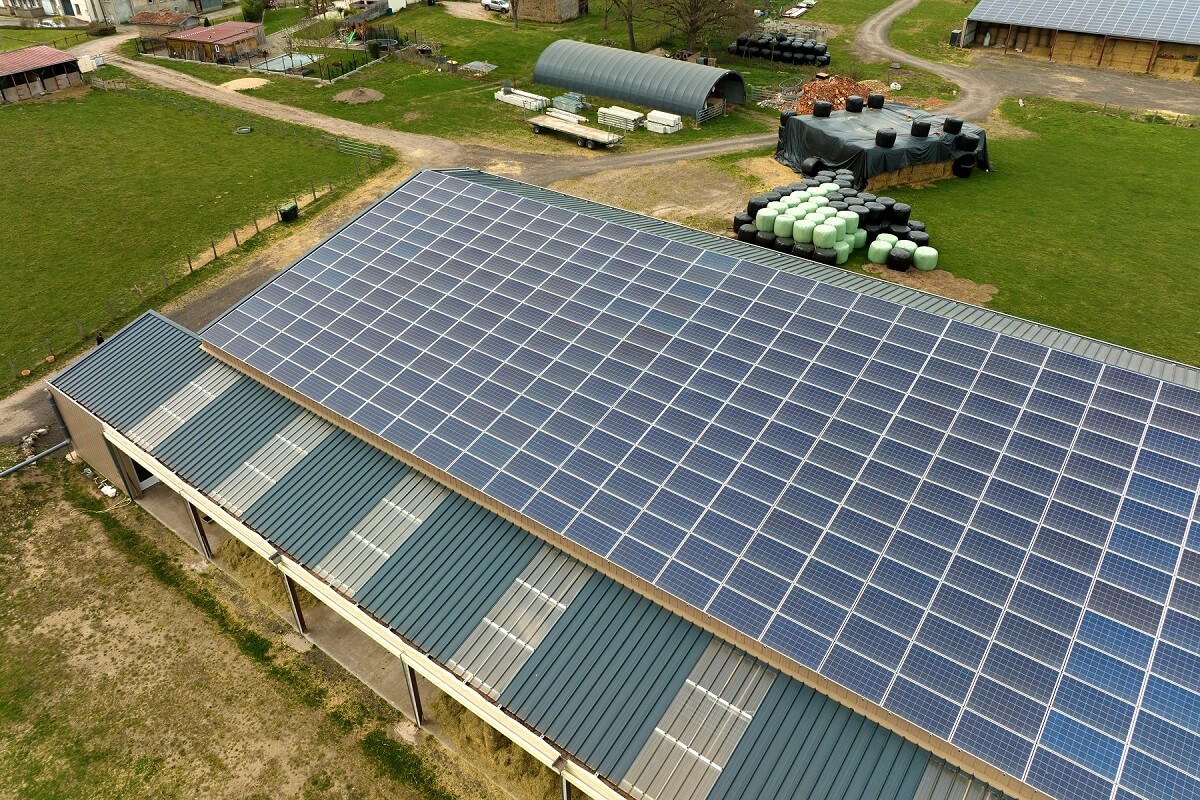
A man working at solar power station. A worker on a garden tractor mows grass on a solar panel farm

Best Practices for Optimising Solar Panel Performance

One of the most effective ways to improve solar energy efficiency is to optimise the performance of your solar panels. Proper maintenance and care are essential to ensure that your panels are operating at their best. Regular cleaning of solar panels, especially in regions prone to dust and debris, can significantly improve energy capture. Dust, dirt, and bird droppings can obstruct sunlight, reducing the panels’ efficiency. Ensuring that your panels are angled and oriented correctly to capture the maximum amount of sunlight throughout the day is also crucial.

In addition to regular maintenance, considering the latest solar panel technologies can further enhance efficiency. For example, bifacial panels capture sunlight from both sides, increasing the amount of energy generated. Tracking systems that adjust the panels’ position to follow the sun’s movement can also boost energy capture by up to 25%.

Enhancing Energy Distribution and Utilisation on Farms

Efficient energy distribution is key to maximising the use of solar power on your farm. Implementing an energy management system allows you to monitor and control energy use in real-time, ensuring that energy is distributed where it’s needed most and when it’s most beneficial. For example, timing high-energy tasks that involve pumping or processing during peak sunlight hours can make the most of the solar power generated.

Load management is another important aspect of energy efficiency. By balancing the energy demand across different operations, you can avoid overloading the system and reduce energy waste. Demand-side response strategies, such as shifting energy-intensive activities to periods of high solar production, help align energy use with solar availability, maximising efficiency and minimising reliance on backup energy sources.

Integrating Solar with Energy-Efficient Technologies

Combining solar power with energy-efficient technologies is a powerful way to reduce overall energy demand on your farm. For instance, replacing traditional lighting with LED fixtures can significantly lower energy consumption while providing the necessary illumination for farm operations. Similarly, using energy-efficient pumps for irrigation and climate control systems in greenhouses can reduce the energy load on your solar system, allowing you to do more with less.

Smart farm technologies, which include automated systems and IoT (Internet of Things) devices, can further optimise energy use. These technologies allow for precise control of energy consumption based on real-time data, ensuring that every kilowatt of solar energy is used effectively.

The Role of Energy Storage in Boosting Efficiency

Energy storage plays a crucial role in enhancing the efficiency of solar energy use on farms. By storing excess energy generated during peak sunlight hours, you can ensure a consistent power supply even during periods of low sunlight or at night. This not only increases energy efficiency but also enhances the reliability of your solar system.

When selecting energy storage solutions, it’s important to choose systems that match the specific energy needs of your farm. High-capacity batteries, for example, can store large amounts of energy for extended periods, providing a buffer against power disruptions.

Financial and Environmental Benefits of Solar Energy Efficiency

Maximising solar energy efficiency brings significant financial and environmental benefits to your farm. By reducing energy waste and optimising energy production, you can lower your electricity bills and extend the lifespan of your solar system, leading to substantial cost savings over time. Efficient solar systems also require less maintenance, further reducing operational costs.

Environmentally, improved solar efficiency means a lower carbon footprint, as more of your farm’s energy needs are met through renewable sources. This aligns with global and regional efforts to combat climate change and promotes sustainable farming practices that protect the environment for future generations.

Moreover, many governments and organisations in Southern Africa offer financial incentives and subsidies to encourage the adoption of energy-efficient solar technologies. These programmes can offset the initial investment costs, making it more affordable for farmers to enhance the efficiency of their solar systems.

Conclusion

Achieving solar energy efficiency on your farm is not just about installing solar panels; it’s about optimising every aspect of your solar energy system to ensure maximum productivity and sustainability. By implementing the strategies discussed in this post—ranging from panel maintenance and advanced technologies to energy management and storage—you can make the most of your solar investment and secure a sustainable future for your farming operations.

If you’re ready to take your farm’s solar energy efficiency to the next level, contact S.M.E.I. Renewables today. Our team of experts is here to help you implement customised solutions that meet your farm’s unique needs, ensuring that you get the most out of your solar energy system.


Solar Energy for Farms: Empowering Agriculture in Southern Africa

In the ever-evolving agricultural sector, the integration of solar energy for farms is becoming an essential part of modern farming operations. Solar energy offers a practical and sustainable solution to the energy challenges faced by farmers in South Africa and Southern Africa. With its ability to reduce operational costs, enhance productivity, and contribute to environmental sustainability, solar energy is an ideal choice for farms looking to thrive in today’s competitive landscape.

Why Solar Energy is Ideal for Farms

Farms have unique energy needs, from powering irrigation systems and refrigeration units to providing lighting and ventilation for livestock. Solar energy is perfectly suited to meet these needs efficiently and sustainably. In Southern Africa, where sunlight is abundant, solar power can be harnessed to generate significant amounts of electricity, reducing reliance on grid power and protecting farms from the impacts of load shedding.

S.M.E.I. Renewables understands the specific requirements of the agricultural sector and offers tailored solar solutions designed to meet these demands. By integrating solar energy into their operations, farmers can achieve energy independence, reduce costs, and ensure that their farms remain productive and resilient.

Key Applications of Solar Energy on Farms

1. Solar-Powered Irrigation Systems

Water management is critical in farming, and solar-powered irrigation systems provide a reliable solution. These systems allow farmers to pump water during the day, ensuring efficient irrigation even during power outages. With solar energy, farmers can maintain consistent water supply to their crops, improving yields and conserving water resources.

2. Solar Refrigeration

Keeping produce fresh, especially in remote areas, is a challenge that can be addressed with solar-powered refrigeration. By utilising solar energy, farms can keep their perishable goods at the optimal temperature, reducing spoilage and ensuring that products reach the market in the best condition.

3. Solar Lighting

Solar-powered lighting enhances farm safety and productivity by providing reliable illumination for farm operations, livestock areas, and processing facilities. This is particularly important in regions where access to electricity is limited or where power interruptions are frequent.

4. Agrivoltaics: Integrating Solar Panels with Crop Production

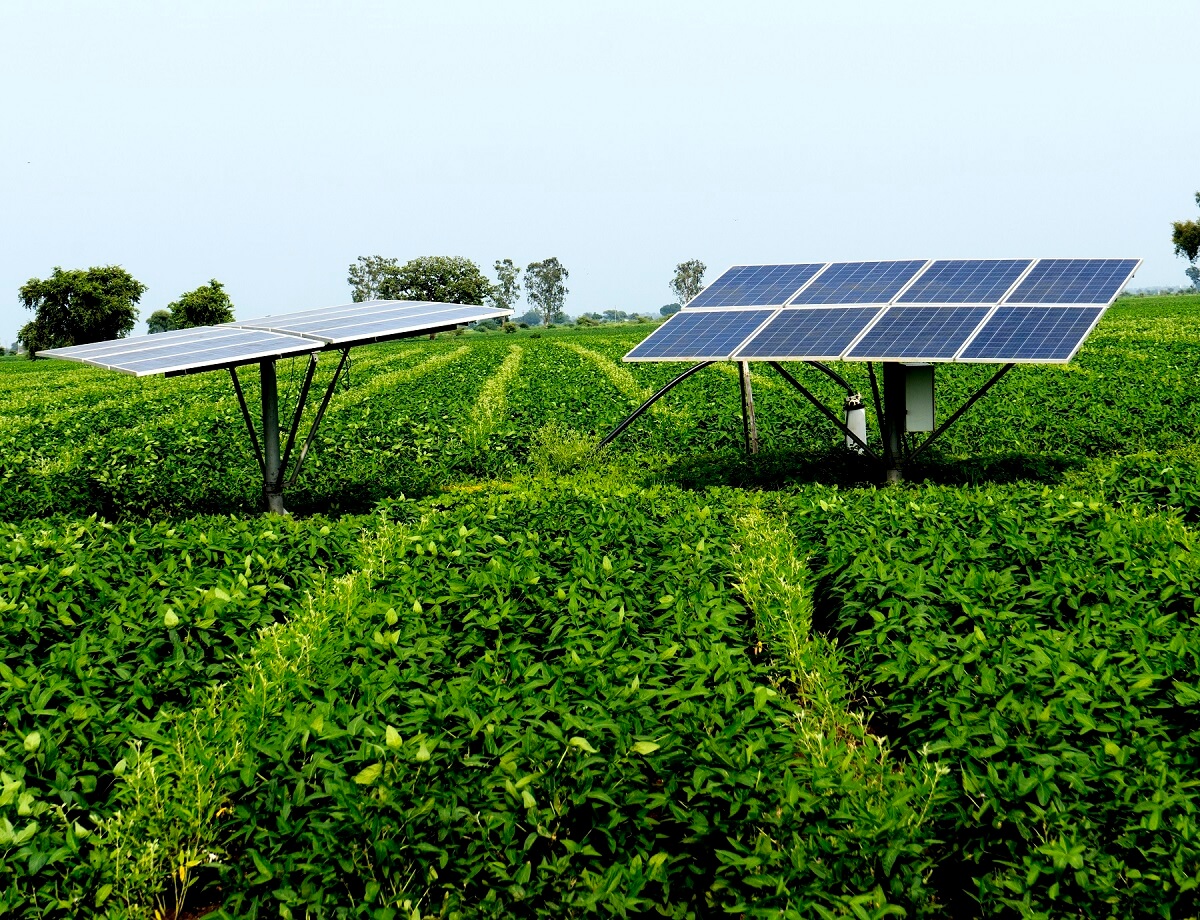
Agrivoltaics is an innovative approach that pairs solar energy generation with agricultural production on the same land. By installing solar panels above crops or grazing areas, farmers can maximise land use while generating electricity. This dual-purpose use of land not only increases energy production but also provides shade that can protect crops and reduce water evaporation.

5. Smart Space Solar Applications

S.M.E.I. Renewables offers Smart Space Solar applications that cater to various agricultural needs, including poultry and dairy power security, crop shading applications, greenhouses, processing plants, and pump stations. These applications are designed to optimise energy use and enhance the efficiency of farming operations.

Economic Impact of Solar Energy for Farmers

Adopting solar energy can lead to significant cost savings for farms. By generating their own electricity, farmers can reduce their dependence on grid power and lower their energy bills. The return on investment (ROI) for solar energy systems is often realised within a few years, making it a financially sound decision for long-term sustainability.

In addition to direct cost savings, there are financial incentives, subsidies, and government programmes available in South Africa and Southern Africa that support the adoption of solar energy in agriculture. These programmes can further reduce the initial investment required for solar installations, making it more accessible for farmers of all sizes.

Environmental and Social Benefits

Solar energy offers numerous environmental benefits, including the reduction of carbon emissions and the conservation of natural resources. By transitioning to solar power, farms can reduce their reliance on fossil fuels, contributing to global and regional efforts to combat climate change.

Furthermore, the adoption of solar energy supports sustainable farming practices that protect the environment and promote the long-term viability of agricultural operations. It also creates job opportunities in the renewable energy sector, improving the quality of life for farming communities.

Overcoming Challenges in Implementing Solar Energy

While the benefits of solar energy are clear, there are challenges to its adoption, such as initial costs, technical expertise, and ongoing maintenance. However, these challenges can be addressed through strategic planning and support.

S.M.E.I. Renewables provides comprehensive support to farmers, from designing and installing solar systems to offering advanced remote monitoring and regular maintenance. By partnering with S.M.E.I. Renewables, farmers can overcome the barriers to solar adoption and ensure that their systems operate efficiently and effectively.

The Future of Solar Energy in Southern African Agriculture

The future of agriculture in Southern Africa is bright with solar energy. Emerging trends, such as agrivoltaics and advanced energy storage solutions, will continue to enhance the efficiency and sustainability of farming operations.

Solar energy is set to play a critical role in the region’s agricultural sector, helping farms become more resilient, productive, and environmentally sustainable. As technology continues to evolve, farmers who invest in solar energy today will be well-positioned to meet the challenges of tomorrow.

Conclusion

Solar energy for farms is a practical and sustainable solution that can transform agricultural operations in Southern Africa. By adopting solar energy, farmers can reduce costs, improve productivity, and contribute to a greener future. S.M.E.I. Renewables is committed to empowering farmers with tailored solar solutions that meet their unique needs, ensuring that they can thrive in an increasingly competitive and resource-constrained environment.

Ready to explore how solar energy can benefit your farm? Contact S.M.E.I. Renewables today to learn more about our customised solar solutions and take the first step towards a sustainable, energy-efficient future for your agricultural business.