
As more South African businesses turn to solar energy to reduce costs and improve sustainability, the conversation is evolving from energy generation to energy storage for commercial spaces. Solar energy is an excellent solution for harnessing the power of the sun, but without an effective way to store that energy, businesses might not fully realise the benefits. With the increasing demand for reliable energy due to load shedding and rising electricity costs, energy storage systems are becoming an essential part of solar installations.
Energy storage solutions, such as battery systems, allow businesses to store excess solar energy for use when it’s needed most—during peak demand periods, at night, or in the event of power outages. In this blog, we’ll explore the different types of energy storage systems available, how they provide cost savings, and how they contribute to long-term energy resilience.
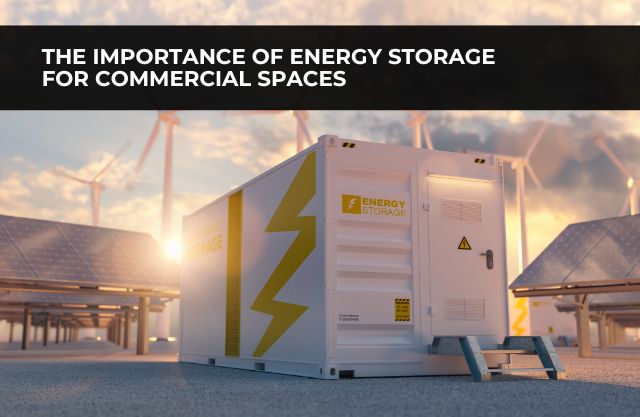
The Importance of Energy Storage for Commercial Spaces
South Africa’s frequent load shedding has made energy reliability a pressing concern for businesses. While solar energy generation can help businesses reduce their reliance on the national grid, there is a growing need to ensure that the energy produced is available even when the sun isn’t shining. This is where energy storage comes in.
Energy storage systems allow businesses to capture and store excess solar energy during the day, which can then be used during periods of low solar production or high energy demand. This capability ensures uninterrupted operations during grid outages and helps businesses avoid costly peak electricity rates. Energy storage also offers long-term stability by enabling businesses to manage their energy supply more effectively and reduce dependency on Eskom’s unreliable grid.
Types of Energy Storage Systems for Businesses
There are several energy storage options available to commercial spaces, each offering unique advantages based on a business’s needs and energy usage patterns. Here are the most common types of energy storage systems businesses can consider:
- Lithium-Ion Battery Systems
Lithium-ion batteries are the most popular and widely used energy storage solution, particularly for commercial and industrial applications. These batteries have a high energy density, meaning they can store large amounts of energy in a compact form. They also have a longer lifespan compared to other battery types, making them a cost-effective solution in the long run.
Lithium-ion batteries are well-suited for businesses with high energy demands or those that experience frequent load shedding. Their efficiency allows them to store solar energy during the day and release it as needed, ensuring that critical operations can continue without disruption.
- Hybrid Energy Storage Systems
Hybrid energy storage systems combine different energy sources, such as solar power and grid electricity, to provide a seamless power supply. These systems allow businesses to switch between solar energy, battery storage, and grid electricity depending on the time of day or energy demand.
For example, during peak solar production, hybrid systems can store excess energy in batteries and use it later when solar generation is low. If the battery runs out, the system can switch to grid electricity. Hybrid systems offer flexibility, ensuring that businesses can always access power, even during load shedding or periods of high energy usage.
- Lead-Acid Battery Systems
Lead-acid batteries are an older technology but still widely used in certain commercial applications due to their lower upfront cost. While they don’t offer the same energy density or lifespan as lithium-ion batteries, they can be a viable option for smaller businesses or those with limited budgets.
Lead-acid batteries are most effective for businesses with lower energy demands, where energy storage is needed primarily for short-term backup power during outages rather than for long-term use. However, as lithium-ion technology continues to advance, many businesses are transitioning to this more efficient and longer-lasting alternative.

Backup Power and Cost Savings: The Dual Benefits of Energy Storage
One of the primary benefits of energy storage is the ability to provide backup power during outages. In South Africa, where load shedding has become a persistent issue, businesses need reliable energy solutions to keep operations running smoothly. Energy storage systems ensure that solar-generated energy is available even when the grid is down, providing a critical safety net for businesses that rely on continuous power.
Additionally, energy storage systems offer significant cost-saving benefits. By storing energy during off-peak times (when electricity rates are lower) and using it during peak demand periods (when rates are higher), businesses can avoid costly utility charges. This strategy, known as “peak shaving,” helps businesses lower their electricity bills and improve their overall energy efficiency.
For businesses with solar installations, energy storage maximises the return on investment (ROI). By storing excess solar energy, businesses can reduce their reliance on grid electricity, leading to long-term savings on energy costs. With energy prices in South Africa continuing to rise, energy storage systems provide businesses with a way to hedge against future price increases and ensure energy cost stability.
Energy Storage and Long-Term Energy Resilience
In addition to cost savings and backup power, energy storage systems play a crucial role in building long-term energy resilience. As South Africa’s energy landscape becomes increasingly unpredictable, businesses need solutions that allow them to take control of their energy supply and avoid disruptions caused by grid instability.
Energy storage systems enable businesses to become more energy independent by reducing their reliance on Eskom’s fluctuating supply. With a reliable energy storage system in place, businesses can manage their energy more effectively, store power when it’s plentiful, and use it when it’s scarce. This autonomy ensures that businesses are better equipped to handle power outages, price fluctuations, and future energy challenges.
Moreover, as South Africa continues to embrace renewable energy initiatives, businesses that invest in energy storage will be well-positioned to meet future energy regulations and sustainability targets. By adopting energy storage solutions today, businesses can future-proof their operations, enhance energy security, and contribute to the country’s renewable energy goals.
S.M.E.I. Renewables: Your Partner in Energy Storage Solutions
S.M.E.I. Renewables is committed to providing businesses with cutting-edge solar and energy storage solutions that ensure long-term energy resilience. Whether you’re looking to add energy storage to your existing solar system or explore a new solar installation with integrated storage, we offer tailored solutions designed to meet your specific energy needs.
Our team will work with you to assess your energy usage, design a customised energy storage system, and ensure seamless integration with your current operations. By investing in energy storage, you’re not just safeguarding your business from load shedding—you’re also maximising the value of your solar investment and positioning your company for long-term sustainability.
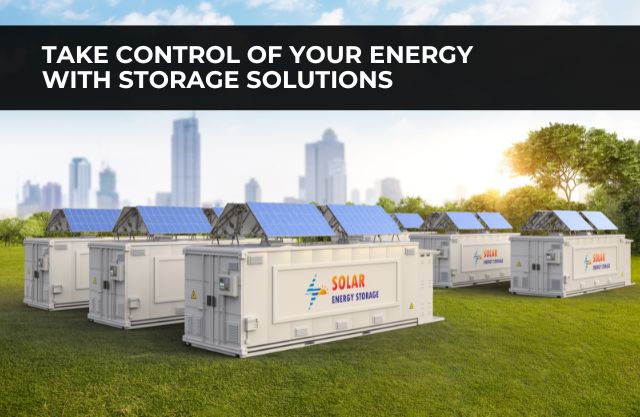
Conclusion: Take Control of Your Energy with Storage Solutions
As South African businesses continue to adopt solar energy, the next logical step is to ensure that this energy can be stored and used when it’s needed most. Energy storage solutions provide businesses with backup power during outages, significant cost savings, and long-term energy resilience.
Whether you opt for lithium-ion batteries, hybrid systems, or other storage technologies, the benefits are clear: reduced energy costs, greater control over energy consumption, and increased independence from an unstable grid. As businesses across South Africa seek ways to future-proof their operations, energy storage is becoming an indispensable part of the solution.
To learn more about how energy storage can benefit your business, contact S.M.E.I. Renewables today for a customised consultation.