
Solar energy for data centres is emerging as a critical solution for energy-intensive operations in South Africa, where unpredictable electricity supply and rising costs challenge business continuity. Data centres are notorious for their high energy usage, making them prime candidates for renewable energy solutions. By harnessing abundant sunlight and integrating solar installations with energy storage systems, businesses can not only lower their energy bills but also ensure a more sustainable, resilient power supply.
The Energy Challenge in Data Centres
Globally, data centres account for an estimated 1-3% of total electricity consumption, a figure that continues to grow as digital services expand. In South Africa, the challenge is compounded by unreliable grid power and frequent outages due to infrastructure issues. For example, the Council for Scientific and Industrial Research (CSIR) has highlighted that power disruptions have a significant economic impact on the country, affecting sectors with high energy demand—including data centres (CSIR). As data centres operate 24/7, even minor disruptions can result in substantial financial losses and operational inefficiencies.
Solar Energy: A Reliable and Abundant Resource
South Africa’s geographical advantage is its abundant sunshine, with many regions receiving over 2,500 hours of sunlight per year. This makes solar energy a particularly attractive option for powering data centres. Solar installations can generate a significant portion of a data centre’s power needs during peak sunlight hours, reducing dependence on the national grid. Moreover, when combined with energy storage systems, solar solutions can provide a continuous, reliable power supply—even during periods of grid instability.
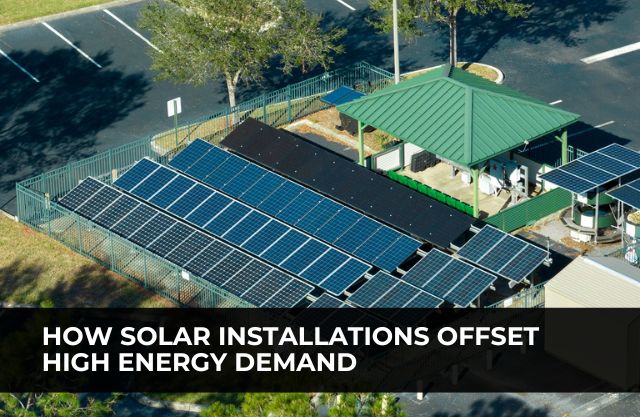
How Solar Installations Offset High Energy Demand
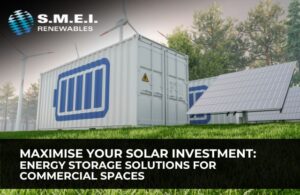
Solar energy systems can be designed to meet the high and constant energy demands of data centres. Rooftop solar panels, for instance, can be installed on the available roof space of data centre facilities, while ground-mounted systems on adjacent land can further boost energy production. By integrating these systems with battery storage, data centres can capture excess energy during the day and deploy it during outages or periods of low sunlight. This not only ensures operational continuity but also helps stabilise energy costs over the long term.
Global Examples of Solar-Powered Data Centres
Several global tech giants have already demonstrated the benefits of renewable energy integration in data centres:
- Apple’s Data Centres: Apple has built data centres powered entirely by renewable energy, including large-scale solar farms that supply a significant portion of their power needs. Their North Carolina data centre, supported by a 100-acre solar installation, is a prime example of how solar energy can reliably power high-tech operations.
- Microsoft’s Azure Data Centres: Microsoft has committed to powering its Azure data centres with 100% renewable energy by 2025. Solar installations at several of these facilities help offset energy consumption and reduce operational costs.
- Facebook’s Luleå Data Centre: Situated in Sweden, this facility leverages renewable energy—part of which is solar—to maintain energy-efficient operations even in a challenging climate.
While these examples are from developed markets, they serve as an inspiration for South African data centre operators who face similar challenges of high energy demand and unreliable grid power.
The South African Context: Opportunities and Incentives
In South Africa, the case for solar energy in data centres is particularly compelling. With government initiatives aimed at promoting renewable energy, such as the Expanded Section 12B Tax Allowance and the R4-billion rooftop solar incentive announced in the 2023 budget (SANews), businesses have strong financial incentives to adopt solar solutions. These programmes help reduce upfront costs and improve the return on investment (ROI) of solar installations, making it a smart move for data centres looking to future-proof their operations.
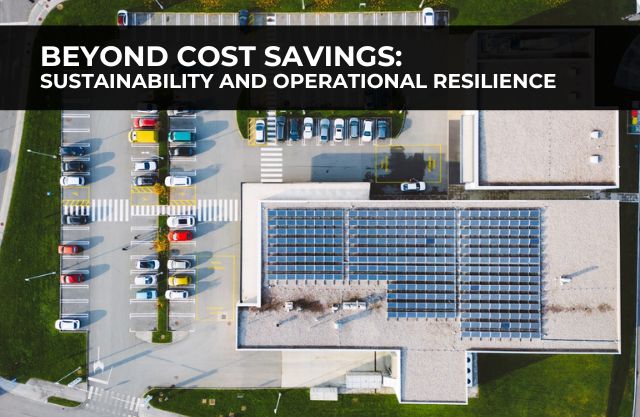
Beyond Cost Savings: Sustainability and Operational Resilience
Implementing solar energy solutions in data centres goes beyond cost reduction. It significantly cuts the carbon footprint of these facilities, aligning with global sustainability targets and enhancing corporate social responsibility. For companies operating in a digitally driven and environmentally conscious marketplace, transitioning to renewable energy not only contributes to a greener future but also enhances brand reputation. Furthermore, the operational resilience provided by solar energy systems—especially when combined with battery storage—ensures continuous service even during extended outages, a critical factor for maintaining business continuity.
A Call to Action for South African Data Centres
As South African data centres grapple with rising energy costs and the challenges of an unreliable grid, solar energy offers a path toward enhanced efficiency, sustainability, and resilience. By investing in solar solutions, data centre operators can stabilise their energy costs, improve operational uptime, and significantly reduce their environmental impact. With the government’s support through various incentives and rebates, now is the ideal time for businesses to explore how solar energy for data centres can transform their operations.
Partner with S.M.E.I. Renewables for a Sustainable Digital Future
At S.M.E.I. Renewables, we specialise implementing tailored solar solutions that meet the unique energy needs of your data centre. Whether you are looking to install rooftop solar panels, ground-mounted systems, or integrated energy storage, our expert team is here to help you transition to a more sustainable, reliable energy future.
Contact us today to explore how our solar solutions can power your data centre, enhance energy efficiency, and drive long-term operational savings.
Sources:
- CSIR – Information on the economic impacts of power disruptions in South Africa. CSIR
- SANews – Government renewable energy and solar tax incentive announcement. SANews
- BusinessTech – Coverage on load shedding and energy challenges in South Africa. BusinessTech
IRENA – Reports on global energy consumption and the role of renewable energy in data centres. IRENA