In the rapidly advancing agricultural sector, solar energy has become an indispensable asset for farms across Southern Africa. However, to truly reap the benefits of solar power, it’s essential to focus on solar energy efficiency. Ensuring that your solar system operates at peak performance not only maximises energy production but also enhances sustainability and cost-effectiveness. This post explores strategies to optimise solar energy efficiency for farms, offering practical insights to help you make the most of your solar investment.
Understanding Solar Energy Efficiency
Solar energy efficiency refers to the effectiveness with which a solar power system converts sunlight into usable electricity. For farms, this means ensuring that every watt of energy generated by the sun is efficiently captured, stored, and utilised. Several factors influence solar energy efficiency, including the quality of the solar panels, their placement, environmental conditions, and how energy is distributed across the farm.
Conducting an energy audit is a crucial first step toward improving solar energy efficiency. By assessing the current performance of your solar system, you can identify areas for improvement and implement changes that will enhance efficiency. An energy audit involves evaluating your farm’s energy usage, the condition of your solar equipment, and the alignment of energy production with consumption needs.
Best Practices for Optimising Solar Panel Performance
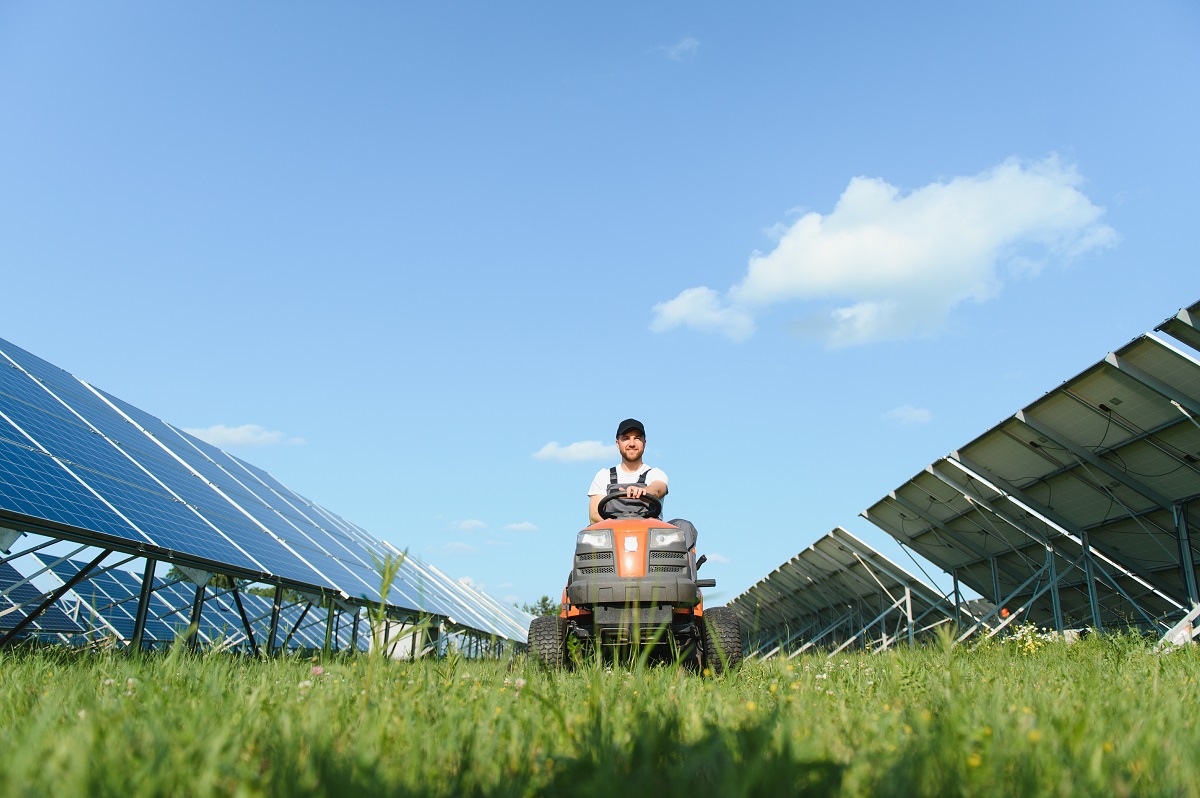
One of the most effective ways to improve solar energy efficiency is to optimise the performance of your solar panels. Proper maintenance and care are essential to ensure that your panels are operating at their best. Regular cleaning of solar panels, especially in regions prone to dust and debris, can significantly improve energy capture. Dust, dirt, and bird droppings can obstruct sunlight, reducing the panels’ efficiency. Ensuring that your panels are angled and oriented correctly to capture the maximum amount of sunlight throughout the day is also crucial.
In addition to regular maintenance, considering the latest solar panel technologies can further enhance efficiency. For example, bifacial panels capture sunlight from both sides, increasing the amount of energy generated. Tracking systems that adjust the panels’ position to follow the sun’s movement can also boost energy capture by up to 25%.
Enhancing Energy Distribution and Utilisation on Farms
Efficient energy distribution is key to maximising the use of solar power on your farm. Implementing an energy management system allows you to monitor and control energy use in real-time, ensuring that energy is distributed where it’s needed most and when it’s most beneficial. For example, timing high-energy tasks that involve pumping or processing during peak sunlight hours can make the most of the solar power generated.
Load management is another important aspect of energy efficiency. By balancing the energy demand across different operations, you can avoid overloading the system and reduce energy waste. Demand-side response strategies, such as shifting energy-intensive activities to periods of high solar production, help align energy use with solar availability, maximising efficiency and minimising reliance on backup energy sources.
Integrating Solar with Energy-Efficient Technologies
Combining solar power with energy-efficient technologies is a powerful way to reduce overall energy demand on your farm. For instance, replacing traditional lighting with LED fixtures can significantly lower energy consumption while providing the necessary illumination for farm operations. Similarly, using energy-efficient pumps for irrigation and climate control systems in greenhouses can reduce the energy load on your solar system, allowing you to do more with less.
Smart farm technologies, which include automated systems and IoT (Internet of Things) devices, can further optimise energy use. These technologies allow for precise control of energy consumption based on real-time data, ensuring that every kilowatt of solar energy is used effectively.
The Role of Energy Storage in Boosting Efficiency
Energy storage plays a crucial role in enhancing the efficiency of solar energy use on farms. By storing excess energy generated during peak sunlight hours, you can ensure a consistent power supply even during periods of low sunlight or at night. This not only increases energy efficiency but also enhances the reliability of your solar system.
When selecting energy storage solutions, it’s important to choose systems that match the specific energy needs of your farm. High-capacity batteries, for example, can store large amounts of energy for extended periods, providing a buffer against power disruptions.
Financial and Environmental Benefits of Solar Energy Efficiency
Maximising solar energy efficiency brings significant financial and environmental benefits to your farm. By reducing energy waste and optimising energy production, you can lower your electricity bills and extend the lifespan of your solar system, leading to substantial cost savings over time. Efficient solar systems also require less maintenance, further reducing operational costs.
Environmentally, improved solar efficiency means a lower carbon footprint, as more of your farm’s energy needs are met through renewable sources. This aligns with global and regional efforts to combat climate change and promotes sustainable farming practices that protect the environment for future generations.
Moreover, many governments and organisations in Southern Africa offer financial incentives and subsidies to encourage the adoption of energy-efficient solar technologies. These programmes can offset the initial investment costs, making it more affordable for farmers to enhance the efficiency of their solar systems.
Conclusion
Achieving solar energy efficiency on your farm is not just about installing solar panels; it’s about optimising every aspect of your solar energy system to ensure maximum productivity and sustainability. By implementing the strategies discussed in this post—ranging from panel maintenance and advanced technologies to energy management and storage—you can make the most of your solar investment and secure a sustainable future for your farming operations.
If you’re ready to take your farm’s solar energy efficiency to the next level, contact S.M.E.I. Renewables today. Our team of experts is here to help you implement customised solutions that meet your farm’s unique needs, ensuring that you get the most out of your solar energy system.