
Solar carports and tracker plants are not “just panels on steel”. They’re engineered structures that must survive decades of wind, weather, corrosion, vibration, thermal expansion, and real-world maintenance. In 2026, the difference between a smooth project and a painful one often comes down to a very practical question:
Where is your steelwork being fabricated and who controls quality?
For developers, engineers and ESG leads, local fabrication isn’t a patriotic nice-to-have. It’s a delivery and risk decision.
Why steelwork is the project’s make-or-break layer
Carports and trackers sit in the “Balance of Plant” world, civil works, structures, trackers, mounting hardware, foundations, and electrical integration. This is the part of the build that drives programme risk (delays), quality risk (rework), and lifecycle risk (corrosion, fatigue, alignment issues).
South African industry research is clear that localisation opportunities exist beyond panels, including mounting and tracking structures and wider manufactured inputs into the BoP. That’s not an accident, structures are heavy, transport-sensitive, and highly dependent on correct fabrication and surface protection.
Shorter lead times and fewer “shipping surprises”
Imported structures can look cheaper on paper, until you add:
- long ocean freight timelines,
- port congestion risk,
- customs delays,
- damage in transit,
- missing or incorrect components,
- slow rework cycles when something doesn’t fit on site.
With local sourcing solar steelwork, you reduce dependence on external logistics and compress the “problem to solution” loop. When a site condition changes or a detail needs adjusting, local fabrication means redesign and rework can happen in days — not months.
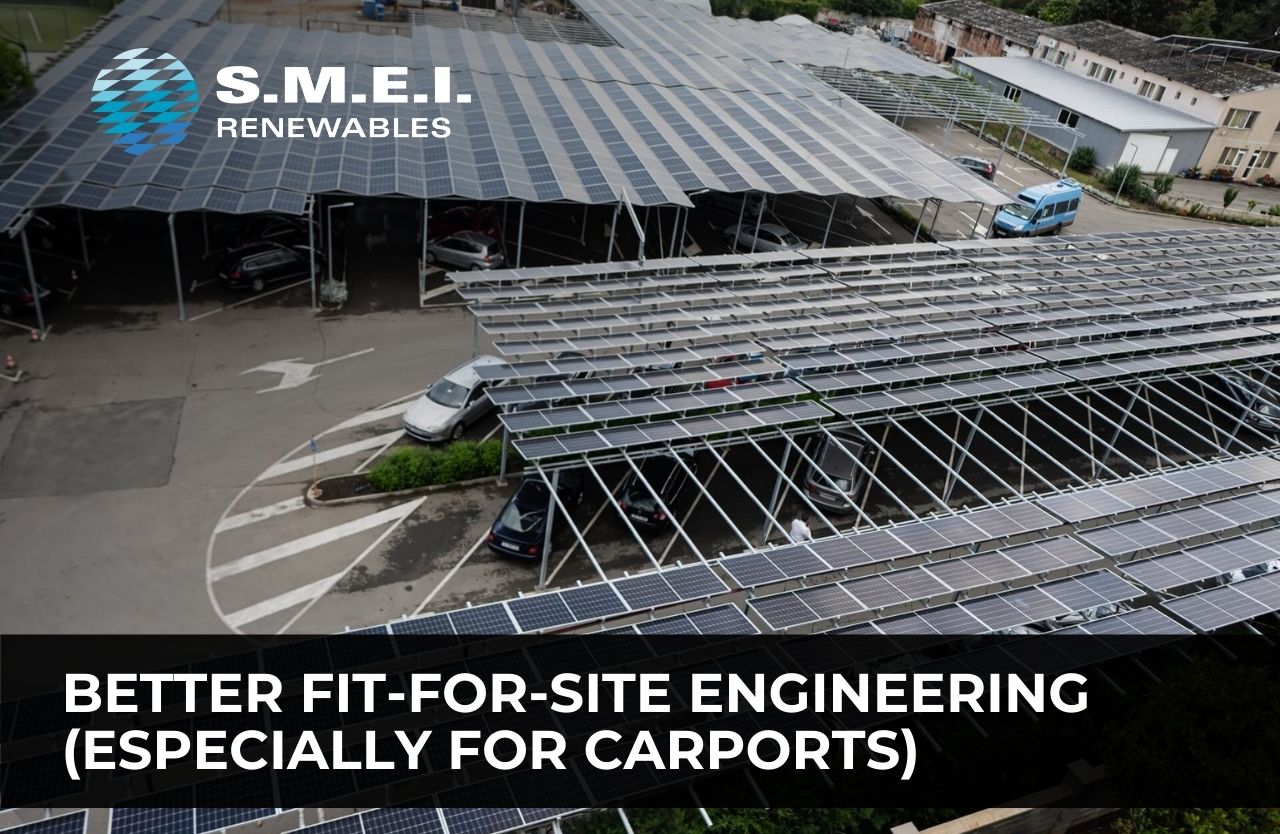
Better fit-for-site engineering (especially for carports)
Carports are not one-size-fits-all. Height restrictions, traffic flow, stormwater management, column placement, and underground services can force structural changes. If fabrication is offshore, teams often try to “make it work” on site — which is exactly how you end up with:
- unplanned drilling and welding on site,
- compromised coatings,
- rushed fixes that become future corrosion points,
- programme delays and cost overruns.
Local fabrication supports a more realistic approach: engineer to the site you actually have, not the site you wish you had.
Quality control you can physically verify
Trackers and carport structures demand consistent tolerances, correct hole patterns, correct galvanising/coating specs, and traceability across batches.
Quality control frameworks for mounting structures and trackers typically focus on structural integrity, corrosion durability, mechanical performance, and verification testing. That’s easier to manage when your fabrication and QA teams are in the same country, operating in the same time zone, and able to resolve snags fast.
For engineers, this matters because fabrication quality becomes commissioning quality, and commissioning quality becomes performance and warranty risk.
Lower lifecycle risk through controlled welding and workmanship
Here’s the uncomfortable truth: poor welding doesn’t always fail immediately. It fails later, under fatigue cycles, heat, vibration and environmental exposure.
That’s why reputable fabrication environments are built around formal welding quality requirements and welder qualification standards (the kind of standards many industrial projects reference globally). When your EPC has in-house fabrication with controlled welding processes, it’s easier to enforce:
- consistent procedures,
- qualified welders,
- inspection regimes,
- documentation and traceability.
For asset owners, this translates into fewer “mystery failures” and fewer maintenance headaches.
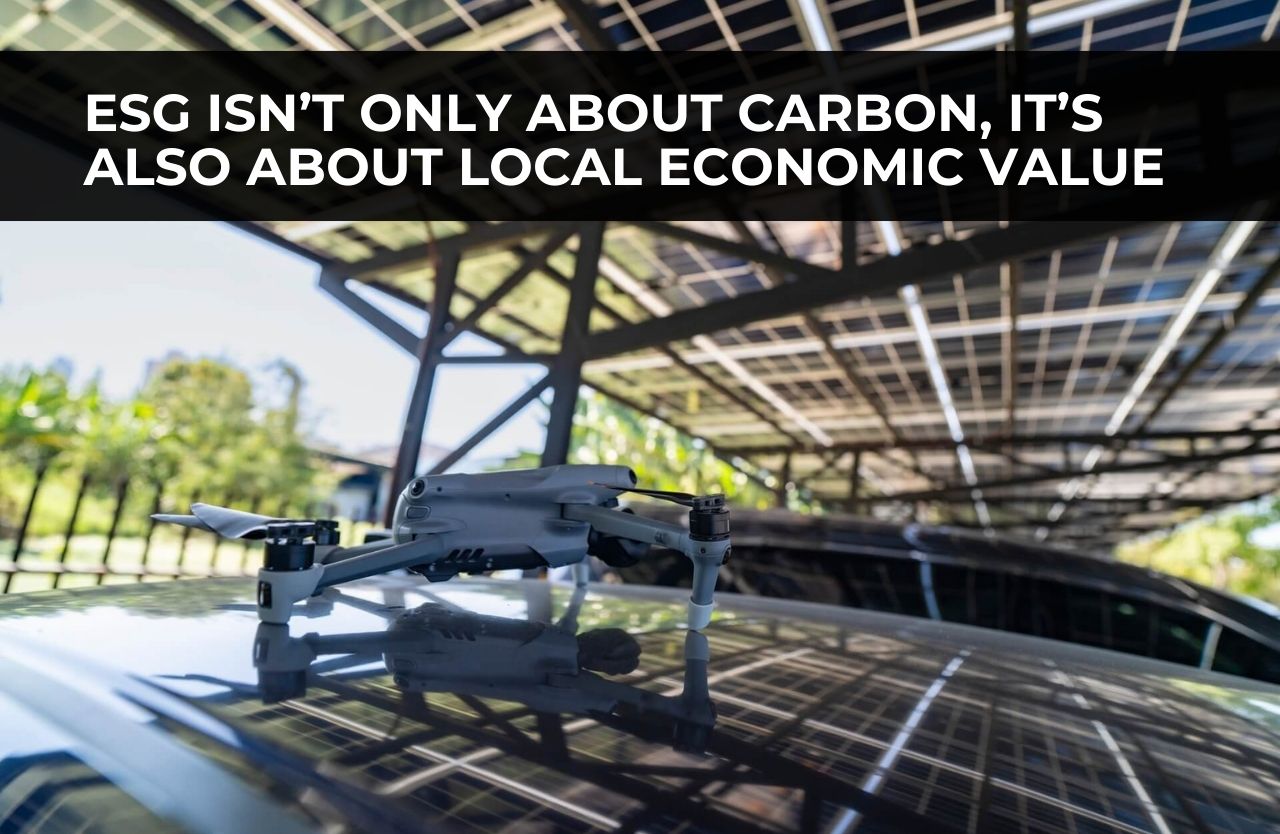
ESG isn’t only about carbon, it’s also about local economic value
ESG leads are increasingly measured on local economic contribution, supply chain resilience, and “real” sustainability. Local fabrication supports skills development in industrial trades, job creation in fabrication and construction, stronger local supplier ecosystems, and, less dependence on volatile global supply chains.
South Africa’s policy and market direction continues to push localisation strategies in renewable value chains and link them to industrial development goals (including the steel value chain). In other words: local content isn’t going away — it’s becoming more structured and more scrutinised.
What to ask your EPC or structure supplier
If you want the benefits of local solar fabrication in South Africa, don’t just ask “Do you fabricate locally?” Ask:
- Where is the steelwork fabricated, and can we visit the facility?
- What QA processes are in place for tolerances, coatings, and traceability?
- How are welding procedures controlled and inspected?
- What happens if site conditions force design changes mid-project?
- What is the spares and replacement strategy over the first 5 years?
- How do you manage corrosion protection for the specific environment (coastal, industrial, high-wind)?
Where S.M.E.I. Renewables fits in
For carports and trackers, the strongest outcomes happen when engineering, fabrication and construction teams work as one unit.
S.M.E.I. Renewables’ model is built for that reality: in-house steelwork and controlled fabrication capability so projects aren’t at the mercy of long offshore lead times, unclear QA, or slow rework cycles. It’s a practical advantage that supports faster delivery, stronger build quality, easier design optimisation, and, long-term maintainability.
And because S.M.E.I. supplies and installs solar carports, the structural layer isn’t a bolt-on, it’s part of the core project outcome.
Sources
- Solar PV manufacturing/localisation opportunities (incl. mounting & tracking structures; BoP inputs): Solar PV Manufacturing Report (Energy Partnership / SAPVIA report).
- South African Renewable Energy Masterplan – localisation focus and BoP localisation potential: GreenCape, SAREM Draft (March 2022).
- Localisation strategies and policy direction for renewable value chains: Megatrends Afrika, Localization Strategies for South Africa’s Renewable Energy… (Nov 2025 policy brief).
- Steel policy context supporting local procurement/local manufacturing: the DTIC, Briefing on the status and implementation of the Steel Masterplan.
- Quality control considerations for mounting structures & PV tracking systems (integrity, corrosion, mechanical performance): Sinovoltaics, Quality Control for Solar Mounting Structures & PV Tracking.
- Welding quality requirements and the role of ISO 3834 in welding quality assurance: ISO 3834-5 (overview sample) and related welding quality guidance.
- Welder qualification standard listing (ISO 9606 series): ISO Online Browsing Platform entry for ISO 9606 parts.