
As businesses in South Africa face increasing electricity costs and ongoing power outages, the adoption of solar energy has become a vital step toward operational resilience and sustainability. What many businesses may not realise is that the South African government offers a range of financial incentives, tax rebates, and grants to help offset the initial costs of installing solar energy systems. These programmes not only make solar adoption more affordable but also align with long-term financial savings and energy independence.
This blog explores the key government incentives available for solar energy adoption, how businesses can qualify for them, and the significant benefits of investing in renewable energy.
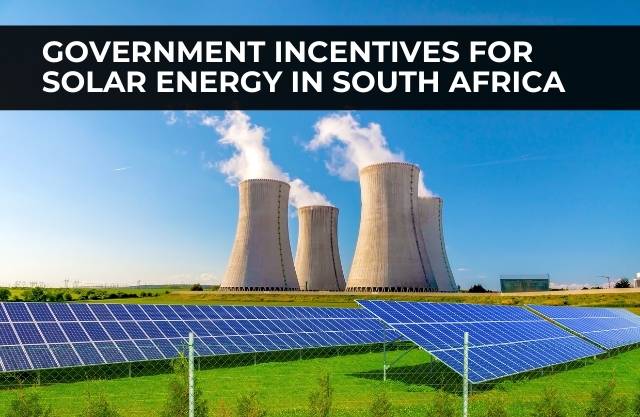
Government Incentives for Solar Energy in South Africa
The South African government has introduced various initiatives to encourage businesses to invest in renewable energy, with solar power taking centre stage. Here are the most prominent programmes:
- Expanded Section 12B Tax Allowance
Businesses can benefit from the Section 12B tax allowance, which allows for a 100% deduction of the cost of renewable energy assets in the first year of operation. This means that businesses can write off the full cost of their solar energy systems against their taxable income in the same year, providing significant cash flow relief. - Solar Energy Rebates for Small Businesses
Small and medium enterprises (SMEs) can access government rebates that cover a percentage of the installation costs for solar systems. These rebates aim to reduce the financial burden on smaller businesses, helping them transition to renewable energy sources. - Rooftop Solar Incentive (2023 Budget Announcement)
In the 2023 national budget, the government announced a R4 billion rooftop solar rebate programme for businesses and households. This initiative supports the installation of rooftop solar systems and offers additional incentives for solar-plus-storage systems. - Carbon Tax Rebates
Businesses that install solar energy systems can also benefit from carbon tax rebates. By generating renewable energy, companies reduce their carbon footprint and offset liabilities under South Africa’s carbon tax legislation. - Green Energy Financing Options
Programmes like the Energy Bounce Back Loan Scheme offer low-interest loans and grants to businesses investing in renewable energy projects. These financing options are designed to make solar installations more accessible and cost-effective.
How Businesses Can Qualify and Apply
To access these incentives, businesses need to meet certain eligibility criteria and follow specific application processes:
- Understand Your Energy Needs
Conduct an energy audit to determine the size and scope of the solar energy system you require. This will help identify the most relevant incentives for your business. - Work with Certified Installers
Many programmes require that solar installations are conducted by certified installers to ensure compliance with safety and quality standards. Partnering with a reputable provider like S.M.E.I. Renewables ensures that your system meets the necessary criteria. - File for Tax Rebates
For the Section 12B allowance, include the full cost of your solar energy system in your tax return. Work with a tax advisor to maximise the benefit. - Apply for Grants or Loans
For rebates or financing options, businesses typically need to submit detailed applications, including proof of installation, energy usage data, and compliance with programme requirements. - Monitor Policy Updates
Renewable energy incentives may change over time as the government expands or refines its energy transition strategy. Staying informed ensures you don’t miss out on new opportunities.
Linking Incentives to Long-Term Savings
The upfront costs of solar installations often deter businesses from making the switch. However, when combined with government incentives, the financial case for solar energy becomes compelling. For instance:
- Immediate Cost Reduction: Rebates and tax allowances reduce the initial outlay, making solar installations more affordable.
- Operational Savings: Once installed, solar systems lower electricity bills, with savings of up to 50% on annual energy costs.
- Energy Independence: Businesses reduce reliance on Eskom’s grid, shielding themselves from tariff increases and power outages.
- Enhanced ROI: Incentives improve the return on investment by shortening the payback period for solar systems, often to five years or less.
Why Now Is the Time to Invest
The South African government’s push for renewable energy adoption aligns with global efforts to combat climate change and transition to cleaner energy sources. For businesses, this presents a unique opportunity to secure long-term financial stability while contributing to a more sustainable future.
With tax breaks, rebates, and financing options available, there’s never been a better time to invest in solar energy. The combination of immediate cost reductions and ongoing operational savings ensures that your business not only adapts to current challenges but also thrives in the years to come.
Partner with S.M.E.I. Renewables for a Seamless Transition
At S.M.E.I. Renewables, we specialise in implementing tailored solar solutions that meet the unique energy needs of your business. From premium solar carports to mobile solar units, ground mount solar, and beyond, our expertise ensures a seamless transition to renewable energy.
Contact us today to explore how our solar solutions can transform your business operations, enhance resilience, and deliver long-term savings.