
Power outages have become a persistent challenge for businesses across South Africa, disrupting operations, increasing costs, and diminishing productivity. While recent months have seen a reduction in load shedding, extended and severe outages caused by a lack of maintenance on existing infrastructure continue to threaten business continuity. Operational resilience is no longer a luxury—it’s a necessity. Solar energy, when paired with energy storage systems, offers a powerful solution, enabling businesses to maintain operations, reduce reliance on the grid, and mitigate the financial and operational impacts of power outages.
This blog explores the role of solar energy in enhancing operational resilience, the return on investment (ROI) for systems designed to combat power disruptions, and real-world examples of businesses thriving despite ongoing electricity challenges.

The Cost of Power Outages: A Threat to Business Continuity
Power outages continue to wreak havoc on South African businesses, leading to lost revenue, increased operational costs, and reputational damage. A survey by the South African Property Owners Association (SAPOA) revealed that over 70% of respondents reported a serious or very serious impact on their operations due to outages. Only 1.69% indicated no impact, underscoring the widespread challenges posed by unreliable electricity supply.
The manufacturing sector has been particularly hard-hit. Data from Statistics South Africa showed a 1.1% decrease in manufacturing production in November 2022 compared to the same period in 2021, with power outages cited as a significant contributing factor (SABC News).
Even with load shedding not in action, how long will it take for the manufacturing sector to fully recover?
How Solar Energy Keeps the Lights On
Solar energy, combined with battery storage, enables businesses to generate and store their own power. During outages, stored solar energy can be used to keep critical operations running, ensuring minimal disruption. This setup creates a buffer against the unpredictability of grid supply, empowering businesses to take control of their energy needs.
- Energy Independence: Solar systems with storage reduce dependency on Eskom, giving businesses the autonomy to continue operations even during extended outages.
- Seamless Transitions: Advanced solar systems with inverters ensure a smooth switch to stored energy during outages, preventing downtime.
- Cost Efficiency: Over time, businesses save on diesel generator costs, fuel expenses, and grid electricity charges by investing in solar energy solutions.

The ROI of Solar Energy Systems
Investing in solar energy systems, particularly those equipped with battery storage, offers a strong return on investment (ROI). While initial setup costs may seem high, the long-term savings and operational resilience far outweigh these expenses.
- Cost Savings: Businesses save significantly by reducing reliance on grid electricity and diesel generators, which are both costly and environmentally harmful.
- Increased Productivity: By avoiding downtime during outages, businesses maintain consistent revenue streams.
- Energy Stability: Solar energy systems help stabilise energy costs, insulating businesses from future grid tariff increases.
For example, in the energy-intensive manufacturing sector, solar energy presents a significant opportunity to reduce costs and enhance profitability. According to the International Renewable Energy Agency (IRENA), industries such as iron and steel, non-ferrous metals, and petrochemical manufacturing account for over 75% of global energy demand, placing a substantial financial and environmental burden on these sectors. Solar panel installations enable businesses to fix electricity costs for the lifespan of the system, which can exceed 25 years, providing long-term financial stability. In South Africa, where electricity costs have been rising steadily, this can translate into savings of up to 50% on annual electricity expenses for factories without batteries, and even higher savings during daytime operations. By leveraging previously unused rooftop or water space for solar installations, manufacturing plants can not only reduce operational costs but also support sustainability initiatives that resonate with eco-conscious consumers and align with corporate social responsibility goals.

Envisioning the Future: Potential Impact of Solar Energy in Key Sectors
With the right solar energy and battery storage systems in place, South African businesses across various sectors could transform their operations, ensuring resilience and sustainability even during power outages.
Retail Sector:
Imagine a supermarket chain in KwaZulu-Natal implementing a solar energy system with battery storage to power refrigeration units during outages. With this setup, perishable goods could remain fresh, protecting the business from significant losses and maintaining customer trust. The reliability of solar energy could allow such businesses to consistently meet customer demands, even during extended disruptions.
Agriculture:
In the Western Cape, a wine farm could integrate solar energy to power its irrigation systems and cold storage facilities. This would enable the farm to continue operations seamlessly, reducing spoilage and ensuring uninterrupted exports during power outages. Over time, such a system could enhance the farm’s efficiency, stabilise costs, and align with sustainability goals, improving its marketability to eco-conscious buyers.
Manufacturing:
An electronics manufacturer in Durban could adopt solar power with energy storage to keep production lines running during outages. This shift could protect the company from power disruptions, reduce operating costs by as much as 40%, and bolster profitability. Over time, the company could reinvest these savings into scaling operations, innovating new products, or further enhancing sustainability practices, positioning itself as a leader in its industry.
By embracing solar energy solutions, businesses in these sectors have the potential to not only safeguard their operations but also thrive in a challenging energy environment, paving the way for a more resilient and sustainable future.
Solar Energy: A Resilient Future for South African Businesses
The increasing frequency of power outages in South Africa, coupled with infrastructure-related disruptions, makes operational resilience a top priority for businesses. Solar energy, particularly when paired with advanced energy storage solutions, provides a sustainable and reliable path forward.
By reducing reliance on the national grid, cutting costs, and ensuring uninterrupted operations, solar energy systems enable businesses to stay competitive in a challenging environment. Whether you’re in retail, agriculture, manufacturing, or mining, investing in solar energy is a step toward long-term stability and growth.
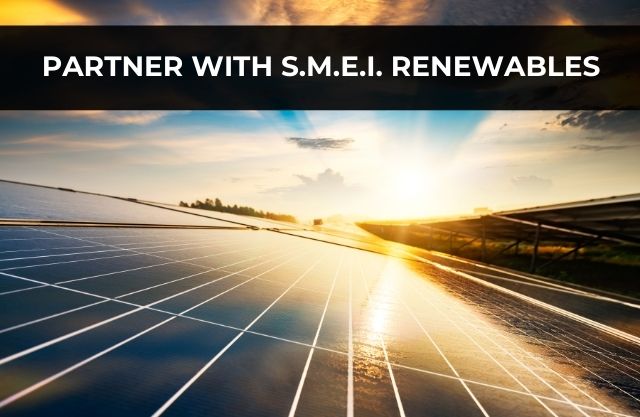
Partner with S.M.E.I. Renewables for Reliable Solar Solutions
S.M.E.I. Renewables specialises in designing and implementing customised solar energy solutions tailored to your business’s needs. From seamless integration with existing systems to cutting-edge battery storage options, our expertise ensures that your operations remain resilient, even during the toughest power outages.
Contact S.M.E.I. Renewables today to explore how solar energy can enhance your operational resilience and future-proof your business.